





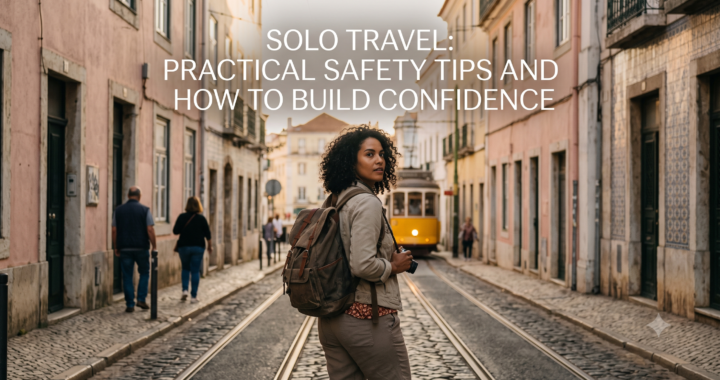












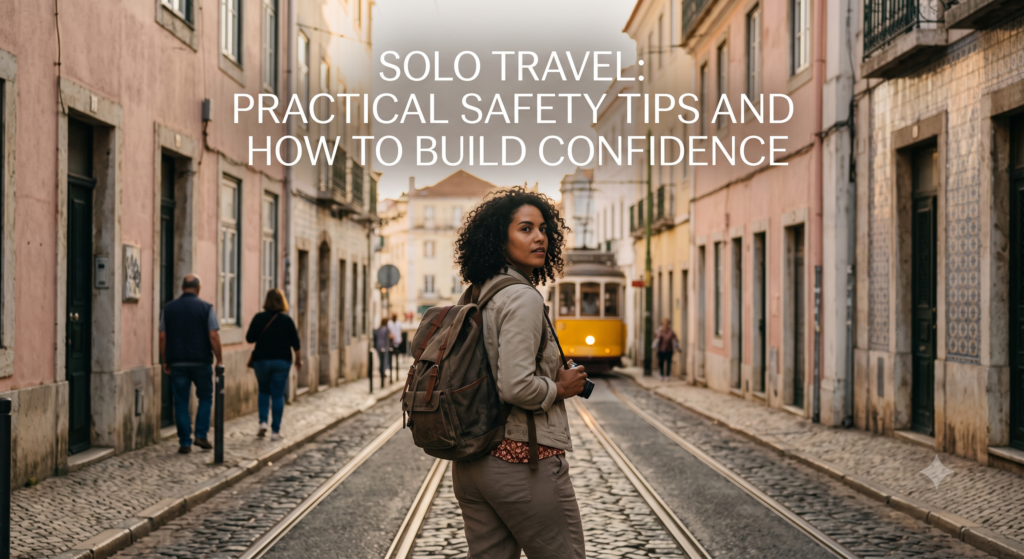
Solo travel is one of the most rewarding ways to see the world, but it comes with a learning curve. Here’s a grounded look at how to stay safe and build genuine confidence, without the fear-based advice that makes solo travel sound scarier than it usually is.
Before You Go: Preparation That Actually Matters
- Research your destination’s specific safety context — general “solo travel safety” advice online is often generic; look for country- or city-specific guidance instead.
- Share your itinerary with someone you trust, including accommodation details and rough daily plans.
- Save offline maps and key addresses (hotel, embassy, emergency numbers) in case of connectivity issues.
- Learn a handful of local phrases — this alone reduces a lot of situational anxiety and helps in unexpected moments.
Staying Safe Day-to-Day
- Trust your instincts over politeness. If a situation feels wrong, it’s fine to leave, decline, or be firm — you don’t owe anyone an explanation.
- Stay aware in transit hubs, which are statistically where petty theft and scams are most concentrated.
- Keep valuables split up (some cash and cards in different bags/pockets) rather than everything in one place.
- Avoid broadcasting solo status to strangers unnecessarily — you can be friendly without giving away exactly where you’re staying or your full schedule.
Building Real Confidence (Not Just Managing Fear)
- Start with a shorter or closer trip if it’s your first time traveling alone — confidence builds fastest through direct experience, not more research.
- Get comfortable eating alone in public before the trip — it’s a small skill that removes a surprising amount of first-day anxiety.
- Say yes to small, low-stakes interactions (asking for directions, chatting with a shop owner) early in a trip — they tend to build momentum for the rest of it.
- Accept that some days will feel lonely. That’s normal, not a sign you’re doing it wrong — and it usually passes with the next interesting thing you find.
Using Technology Wisely
- Share live location with a trusted contact during travel days.
- Use reputable ride-share or transit apps rather than unmarked transport in unfamiliar areas.
- Keep a portable charger — a dead phone removes access to maps, translation, and emergency contacts all at once.
What Experienced Solo Travelers Actually Say
Most seasoned solo travelers describe the same arc: the first day or two feels the most uncertain, and confidence builds noticeably after the first few successful interactions and navigated situations. The nervousness is front-loaded — it rarely lasts the whole trip.
Key Takeaways
- Preparation (sharing itinerary, offline maps, local phrases) reduces real risk.
- Trust instincts over social pressure to be polite.
- Build confidence through small, early wins rather than over-planning.
- Loneliness is normal and usually temporary — not a sign to turn back.
