















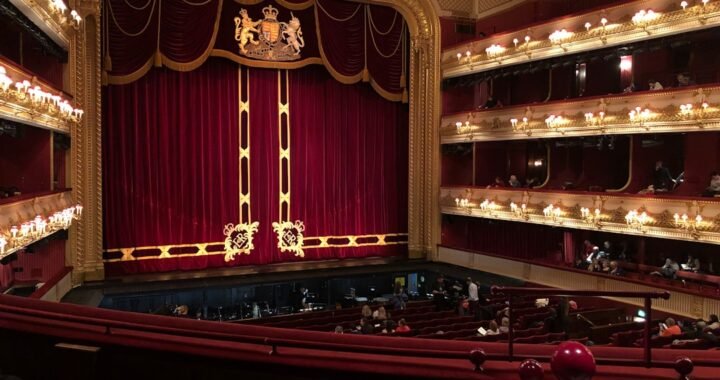

Classical music lovers are a passionate bunch, and when it comes to sacred traditions, they don’t hold back their feelings — even if that means booing loudly in one of the most prestigious concert halls in the world. That’s exactly what happened recently at the legendary Bayreuth Festival in Germany, where an AI-assisted production of Richard Wagner’s opera left audiences decidedly unimpressed.
The Bayreuth Festival is no ordinary music event. Held annually in Bavaria, it’s essentially the Super Bowl of Wagnerian opera — a place where die-hard fans travel from across the globe to experience the composer’s sweeping, emotionally charged masterpieces in the very theater Wagner himself designed. So when producers decided to incorporate artificial intelligence into the staging of this year’s production, they were essentially poking a very large, very cultured bear.
The decision to use AI tools in the visual and staging elements of the performance was met with immediate pushback from the crowd. Boos rang out — a rare and dramatic response in an atmosphere that typically calls for reverence and respect. For many attendees, the use of AI felt like a betrayal of the deeply human artistry that Wagner’s work demands. Opera, after all, is one of the most emotionally complex art forms in existence, requiring years of training, interpretation, and creative soul to pull off successfully.
This incident touches on a much larger conversation happening across the arts world right now. As AI becomes more capable and more accessible, creators and institutions are experimenting with how it can be woven into traditional art forms. Sometimes those experiments are celebrated; other times, they crash and burn spectacularly — as we saw in Bayreuth.
The backlash raises important questions: Where is the line between innovative storytelling and replacing human creativity? Can AI serve as a genuine artistic collaborator, or does its involvement automatically cheapen the experience for purists? And perhaps most importantly — who gets to decide?
Opera fans clearly had their say on the matter, and loudly so. Whether the festival organizers take that feedback to heart remains to be seen. But one thing is certain: the debate between tradition and technology in the arts is far from over, and Bayreuth just became its most dramatic stage yet.
