






















Three decades. That’s how long Pikachu and friends have been worming their way into our hearts, wallets, and daily routines. What started as a pair of Game Boy cartridges in 1996 has grown into one of the most dominant entertainment franchises on the planet — and somehow, it shows absolutely zero signs of slowing down.
So what’s the secret sauce? Why are kids born in the 2010s just as obsessed with Pokémon as the adults who grew up trading holographic cards in elementary school hallways? Fans and cultural observers point to something almost magical: the franchise speaks a language that needs no translation. Whether you’re in Tokyo, São Paulo, or rural Ohio, spotting someone with a Pikachu backpack is an instant conversation starter. That kind of universal connection is incredibly rare in pop culture, and Pokémon has managed to hold onto it longer than almost anyone thought possible.
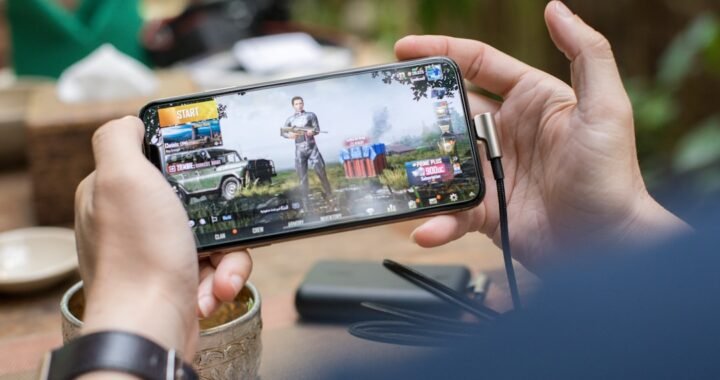
Pokémon GO is a massive part of that ongoing story. The mobile game recently celebrated its 10th anniversary with a splashy Times Square event, and the numbers speak for themselves — the game pulled in a jaw-dropping $48.5 million during its anniversary celebrations alone. That’s not a franchise running on nostalgia fumes. That’s a living, breathing cultural phenomenon still capable of packing public squares and lighting up app store charts.
But it hasn’t all been sunshine and Snorlax. Kotaku recently took a hard look at Pokémon GO’s complicated legacy — the tension between its promise of bringing people together outdoors and the ongoing debates around monetization, accessibility, and the evolution of its community over time. It’s a reminder that even beloved things grow complicated as they age.
Still, the emotional pull of Pokémon remains undeniable. For many fans, it’s deeply tied to childhood memories — Saturday morning cartoons, lunch table trades, staying up way too late to evolve a Haunter. For a whole new generation, those memories are being made right now, often alongside parents who remember doing the exact same thing.
As Pokémon marches confidently into its 30th year, one thing is crystal clear: this isn’t just a game or a cartoon. It’s a generational handshake, passed down with genuine love. And if the last three decades are any indication, we’ll still be catching ’em all well into the future.