






















Think about the last time something brought together a seven-year-old and a forty-year-old in genuine shared excitement. Chances are, Pokémon had something to do with it. Three decades after Pikachu first leapt onto Game Boy screens, the franchise shows absolutely no signs of slowing down — and the reasons why are more fascinating than you might expect.
At its core, Pokémon succeeds because it taps into something deeply human: the thrill of discovery and the joy of collecting. Whether you’re flipping holographic cards in a school cafeteria in 1999 or GPS-hunting digital creatures through Times Square in 2025, the emotional engine powering the experience is essentially the same. That’s a remarkably rare achievement in entertainment, where most properties flame out within a generation.
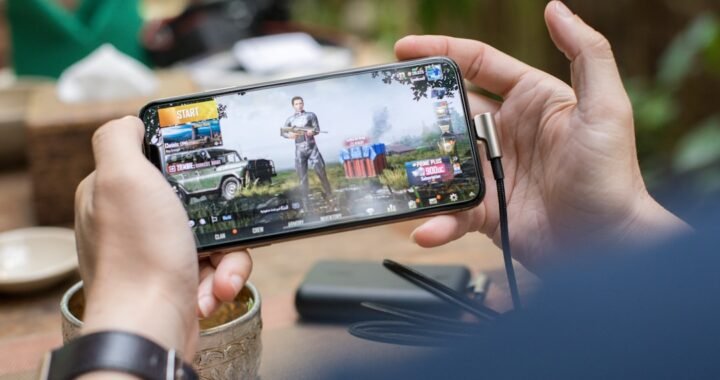
Pokémon GO’s 10th anniversary serves as a perfect case study in the franchise’s staying power. The mobile game recently pulled in a jaw-dropping $48.5 million during its anniversary celebrations alone, proving that the augmented reality experiment that once sent millions of people wandering into parks and landmarks hasn’t lost its magic. If anything, the community around it has deepened, with players forming lasting friendships and local groups that extend far beyond the game itself.
What’s particularly striking is how Pokémon has managed to evolve without abandoning its roots. New generations of games introduce fresh mechanics, hundreds of new creatures, and modern storytelling — yet every entry still carries that unmistakable feeling of setting off on your very first adventure. It’s a balancing act that franchises like Star Wars and the Marvel Cinematic Universe have openly struggled with, yet Nintendo and The Pokémon Company make it look almost effortless.
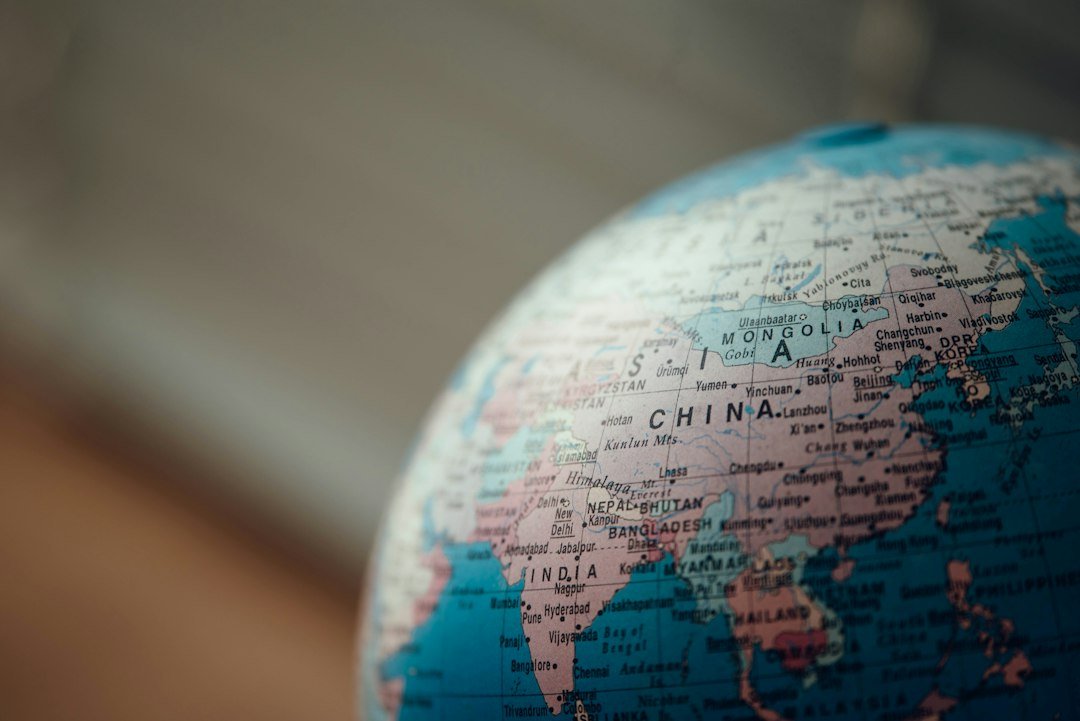
There’s also a genuinely global dimension worth celebrating. Pokémon transcends language barriers in a way that very few cultural exports ever manage. Kids in Tokyo, São Paulo, Lagos, and London all recognize Charizard. They all understand the rules. That kind of universal cultural shorthand is extraordinarily powerful, and it helps explain why the franchise has become so deeply woven into the fabric of everyday life across generations and continents.
As we mark 30 years of catching ’em all, one thing is crystal clear: Pokémon isn’t just a childhood nostalgia trip. It’s a living, breathing phenomenon that keeps reinventing what it means to play — and connect — together.