



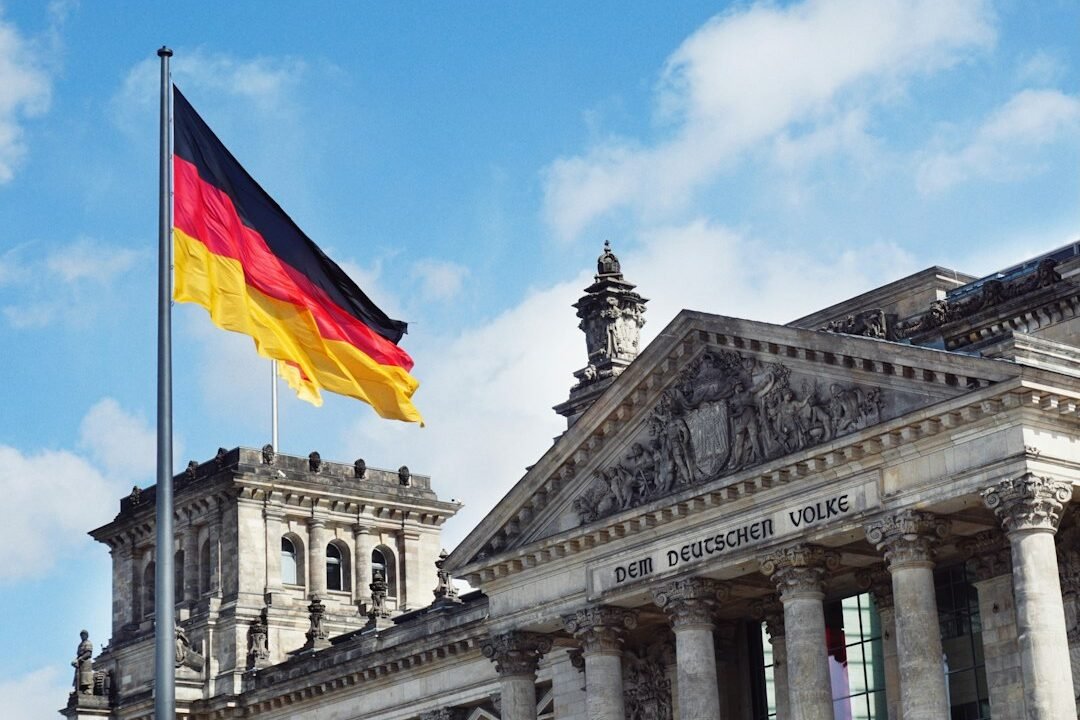





















If you’re a university student looking to gain international work experience, build your CV, and immerse yourself in a new culture, Europe’s summer internship landscape offers some of the most competitive and well-structured opportunities in the world. According to the European Court of Auditors’ 2024 review of EU-funded traineeships, more than 600,000 young people in higher education participated in Erasmus+-funded traineeships abroad between 2014 and 2020 — averaging roughly 90,000 participants per year. That’s a massive ecosystem of opportunity, and 2027 is shaping up to be another strong year for ambitious students ready to take the leap.
Why Apply for a Summer Internship in Europe?
European internship programmes are not just resume boosters — many come with financial support, mentorship, networking access, and real project responsibilities. Unlike unpaid or vague work experience placements, programmes backed by institutions like the EU, the United Nations, or major European companies offer structured learning environments where you actually contribute to meaningful work. For students from outside Europe, these programmes also serve as a powerful gateway to understanding how international organisations and policy bodies function.
Who Is Eligible?
Eligibility varies by programme, but most summer internship opportunities in Europe share some common requirements. Generally, you need to be enrolled in an accredited higher education institution at the undergraduate, postgraduate, or PhD level. Some programmes, particularly those under Erasmus+, require you to be a citizen or legal resident of an EU member state or a partner country. Others, such as internships at the European Parliament, UN agencies, or multinational corporations, are open to international applicants worldwide. Language requirements also differ — many programmes accept English speakers, while others may require proficiency in French, German, or another European language. Always check the specific programme page for exact criteria before applying.
What Do These Programmes Offer?
The seven highlighted internship programmes span a range of fields including policy, technology, finance, environmental science, communications, and international relations. Placements typically run between two and twelve months, with summer-specific tracks often falling in the two-to-three month range. Benefits commonly include a monthly stipend or living allowance, accommodation support or assistance, travel reimbursement, and access to professional development workshops. Some programmes also offer academic credit that can be transferred back to your home institution, making them doubly valuable for your degree progress.
How to Apply
The application process differs across programmes, but most follow a similar structure. You’ll typically need to submit an updated CV tailored to the host organisation, a motivation letter explaining why you’re applying and what you hope to contribute, academic transcripts, and at least one reference or recommendation letter. Some competitive programmes at institutions like the European Commission or major NGOs may also require a written test or interview. Start your application well in advance — deadlines for summer 2027 programmes could fall as early as January or February 2027, and some rolling programmes may close even earlier once positions are filled.
Tips for a Strong Application
Don’t underestimate the power of your motivation letter. Generic statements like “I am passionate about Europe” won’t cut it. Instead, connect your academic background, specific skills, and career goals directly to the programme’s mission. Research the host organisation thoroughly and reference concrete projects or initiatives they’ve led. Also, ensure your CV uses clear formatting and highlights relevant coursework, language skills, volunteer work, and any previous international experience. If the programme has an alumni network or LinkedIn presence, reach out to past participants for insider tips on the selection process.
Final Thoughts
European summer internships in 2027 represent a genuine opportunity to accelerate your career, expand your worldview, and build connections that can last a lifetime. Whether you’re drawn to EU institutions in Brussels, tech hubs in Berlin, financial centres in Zurich, or UN offices in Geneva, there is a programme on this list that can match your ambitions. The key is to start early, apply strategically, and present yourself as someone ready to contribute from day one.
Ready to apply? Visit the official page here: Apply Now