





















Germany consistently ranks among Europe’s top destinations for international students — and for good reason. Beyond its world-class universities and relatively low tuition fees, Germany offers a thriving job market with strong demand across engineering, technology, healthcare, finance, and manufacturing. If you’re planning to study abroad and want your degree to translate into real earning potential, Germany deserves serious consideration.
Why Germany Is a Smart Choice for Career-Focused Students
Germany’s economy is the largest in Europe and one of the strongest globally. Companies like BMW, Siemens, SAP, Bosch, and Deutsche Bank are headquartered here, creating a constant pipeline of opportunities for skilled graduates. Germany also has one of the lowest graduate unemployment rates in the EU, meaning your investment in education is far more likely to pay off in tangible career outcomes. International students can stay in Germany for up to 18 months after graduation to find employment — a generous post-study work window that makes the transition from student to professional much smoother.
The 8 High-Value Degrees to Pursue in Germany
1. Mechanical Engineering: Germany is practically synonymous with precision engineering. Graduates can expect strong demand from the automotive and manufacturing sectors, with competitive starting salaries often exceeding €45,000 per year.
2. Computer Science & Software Engineering: The tech sector in Germany is booming. Berlin has emerged as a major European startup hub, and software engineers are among the highest-paid professionals in the country, with average salaries ranging from €50,000 to €80,000+.
3. Electrical Engineering: With Germany’s push toward renewable energy and smart infrastructure, electrical engineers are in high demand. This degree opens doors at energy companies, tech firms, and automotive giants alike.
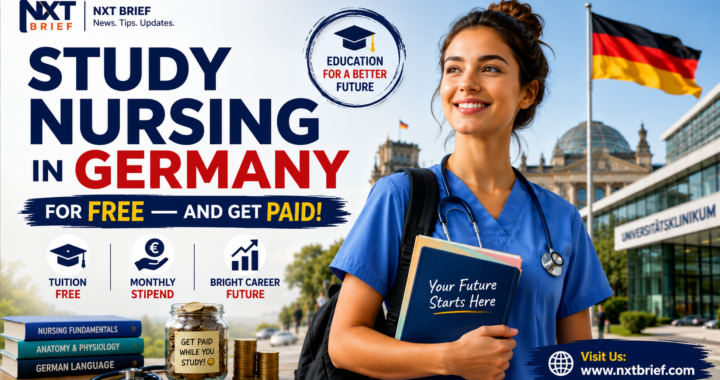
4. Medicine & Healthcare: Germany faces a well-documented shortage of medical professionals. Studying medicine or nursing in Germany — particularly if you’re willing to learn German — can lead to exceptional job security and salaries well above the European average.
5. Business Administration & Finance: Frankfurt is Europe’s financial capital, home to the European Central Bank and dozens of major financial institutions. A business or finance degree positions you well for roles in banking, consulting, and corporate management.
6. Data Science & Artificial Intelligence: This is one of the fastest-growing fields globally, and Germany is no exception. Data scientists and AI specialists are commanding some of the highest entry-level salaries in the German job market.
7. Architecture & Civil Engineering: Germany’s ongoing infrastructure development and urban expansion create sustained demand for qualified architects and civil engineers. These degrees also benefit from strong professional licensing frameworks that add long-term career stability.
8. Biotechnology & Pharmaceutical Sciences: Germany is home to major pharmaceutical companies and a growing biotech industry. Graduates in this field often find roles in research, development, and regulatory affairs with excellent compensation packages.
What You Should Know Before Applying
Most public German universities charge little to no tuition fees even for international students — typically only a semester administrative fee of €150–€350. However, you’ll need to demonstrate sufficient financial resources (approximately €11,208 per year as of recent requirements) to obtain a student visa. Language requirements vary: many Master’s programs are taught in English, but learning German significantly boosts your employability after graduation. Admission requirements generally include relevant academic qualifications, language proficiency certificates (IELTS/TOEFL for English programs or TestDaF/DSH for German), and sometimes a motivation letter or portfolio.
How to Get Started
Research programs through the DAAD (German Academic Exchange Service) portal or directly via university websites. Many institutions have rolling admissions, but popular programs fill up fast — aim to apply at least 6–12 months before your intended start date. Scholarship opportunities through DAAD, Erasmus+, and individual universities can further reduce financial barriers for eligible international students.
Choosing the right degree is the foundation of a successful career in Germany. The fields listed above reflect where the German economy is investing and growing — aligning your education with market demand is one of the smartest decisions you can make.
Ready to apply? Visit the official page here: Apply Now