






















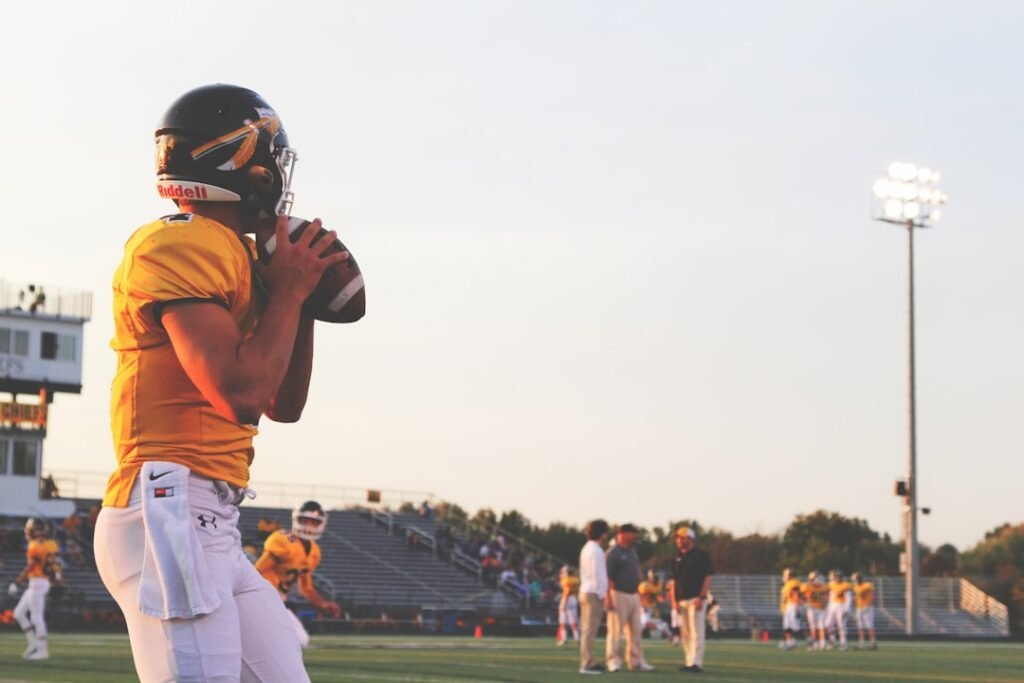
College sports has never been short on head-scratching moments, but the latest controversy surrounding Tennessee Volunteers linebacker Arion Carter might just take the cake. The NCAA has officially handed Carter a two-game suspension — all because of a plane ticket worth just $427. Yes, you read that right. Less than five hundred dollars is keeping one of Tennessee’s brightest defensive talents off the field to start the season.
Carter, who made the bold decision to withdraw from NFL Draft consideration and return to Knoxville for another shot at glory with the Vols, now finds himself sidelined before he even gets a chance to suit up. The flight in question apparently ran afoul of NCAA eligibility rules, which prohibit athletes from receiving impermissible benefits — even something as seemingly minor as airfare.
Here’s where things get particularly maddening for fans and critics alike: college athletics is currently swimming in Name, Image, and Likeness (NIL) money. We’re talking millions of dollars flowing to student-athletes through endorsement deals, sponsorships, and booster collectives — all perfectly legal under the current framework. Meanwhile, a guy gets hit with a multi-game ban over a flight that costs less than a decent courtside NBA ticket. The contrast is almost impossible to wrap your head around.
Tennessee’s athletic program hasn’t taken this lying down. University officials have reportedly pushed back against the ruling, with those close to the situation defending Carter’s character and decision-making throughout the process. Supporters have been vocal too, with the sentiment that Carter “made the right decision” in how he handled the situation making rounds on local news and social media.
The timing couldn’t be worse for the Volunteers, who were counting on Carter’s experience and athleticism to anchor their defense heading into a highly anticipated season. Losing him for the opening games is a real blow to a program with serious championship aspirations.
This situation reignites a much bigger conversation about whether the NCAA’s rulebook has kept pace with the rapidly evolving landscape of college sports. When million-dollar NIL deals coexist alongside suspensions over a few hundred dollars in travel costs, something clearly doesn’t add up. Fans, analysts, and players are all asking the same question: isn’t it time for a serious overhaul of what actually matters when it comes to eligibility?