
























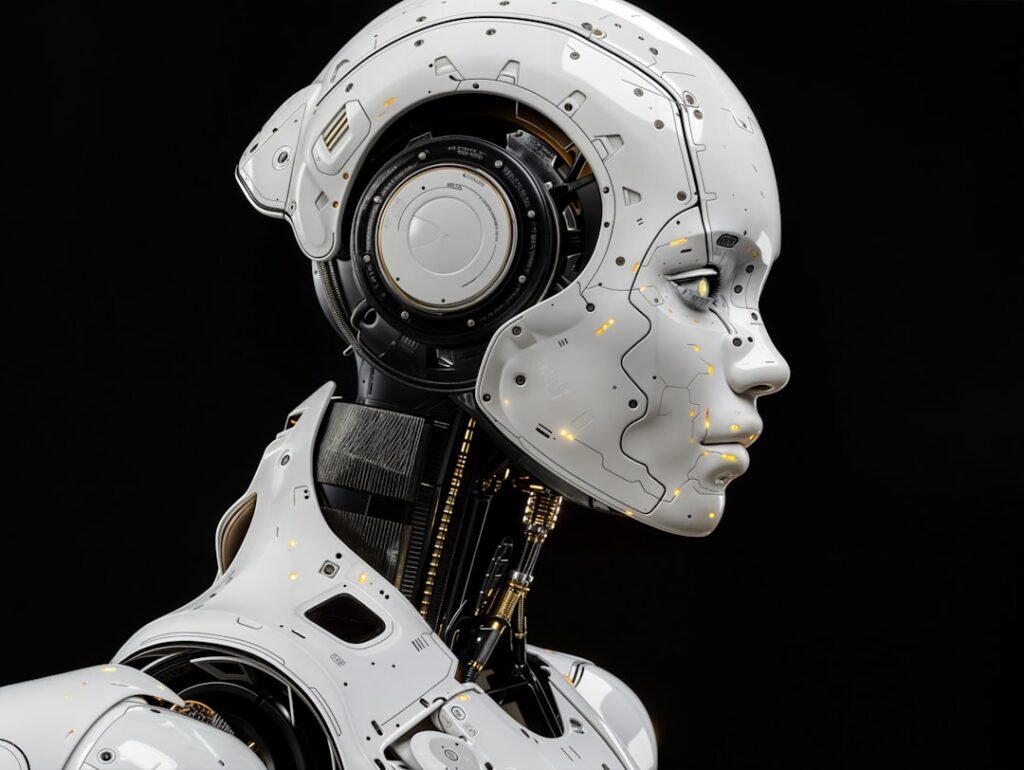
Picture this: a sleek humanoid robot unboxed at a US warehouse, only to be turned away at customs. That future might be closer than you think. The United States government has just announced a sweeping import ban on advanced robotic devices manufactured outside the country, and the move is sending shockwaves through the global tech industry.
The Federal Communications Commission dropped the announcement this week, revealing that the ban covers a wide range of so-called “mobile” robots — think humanoid machines that walk on two legs, quadruped robots that scurry around on four, and more. The scope doesn’t stop there either; power inverters made abroad are also caught in the net, signaling a broader push to protect American infrastructure from foreign-made hardware.
Now, the FCC is playing it cool by saying this isn’t specifically aimed at any one nation. But let’s be real — the timing is no coincidence. China has been on an absolute tear when it comes to robotics development. Chinese manufacturers have been flooding the internet with jaw-dropping footage of their humanoid machines dancing, sparring in MMA-style fights, and generally showing off capabilities that have people equal parts amazed and unsettled. Companies like Unitree have become household names in tech circles, and they stand to feel the pinch of this ban in a big way.
So why is the US making this move now? The answer likely comes down to two big concerns: national security and economic competitiveness. As artificial intelligence continues to supercharge robotic capabilities, the worry is that foreign-made machines embedded in American businesses, hospitals, or homes could become vulnerabilities — whether through data collection or potential backdoors. Add to that the desire to give domestic robotics companies room to grow without being undercut by cheaper imports, and the ban starts making a lot of sense from a policy standpoint.
For everyday consumers and businesses that had been eyeing affordable Chinese robots for warehouses or service industries, this is a significant shake-up. Prices for robotic solutions in the US market could rise, and the timeline for widespread adoption might slow down.
One thing is certain: the global race for robotic dominance just got a whole lot more complicated. America is drawing a line in the sand, and the world of humanoid robots will never look quite the same again.