




















If you’ve been eyeing Apple’s new Upgrade Program but were quietly worried about what might happen if you missed a monthly payment, take a breath — Apple has officially put those fears to rest.
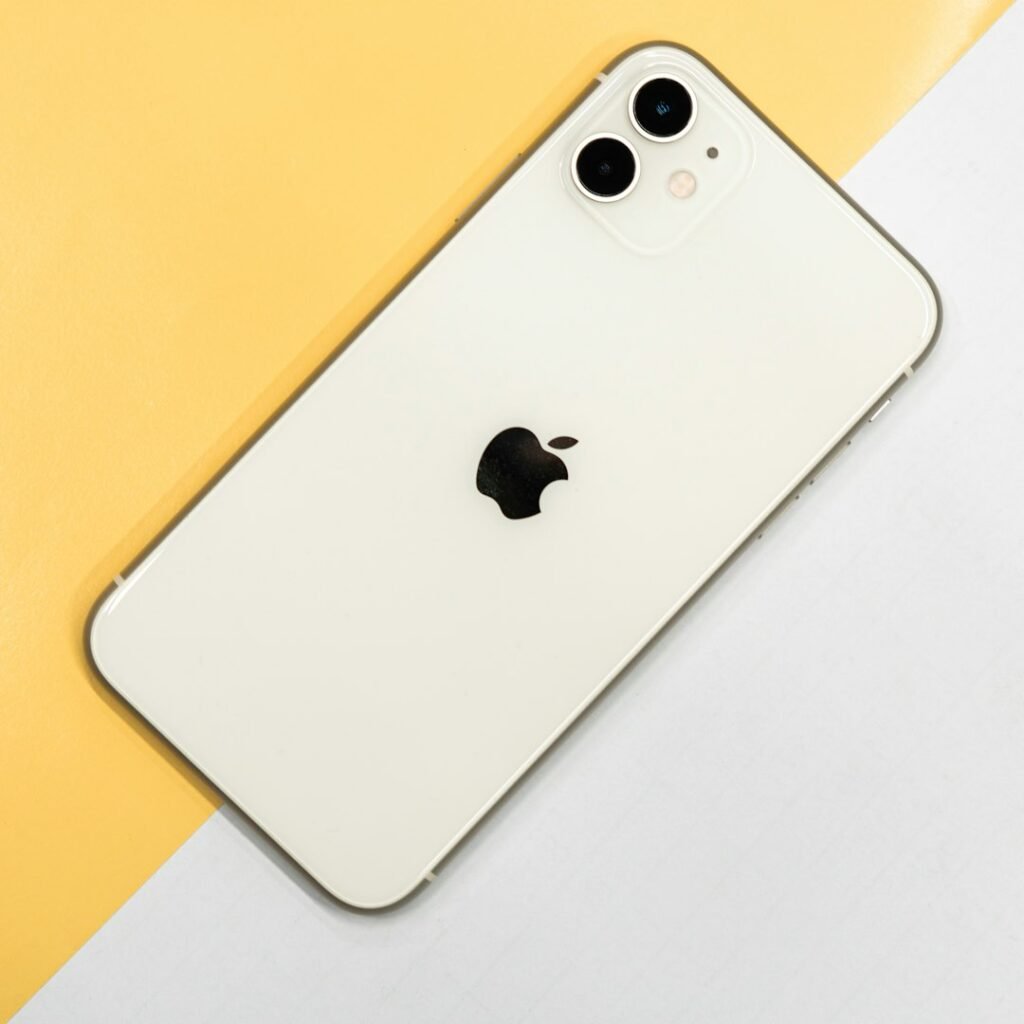
The tech giant recently confirmed to reporters that it has zero plans to remotely disable or restrict any device leased through its Upgrade Program, even if a customer falls behind on payments. In a direct statement, Apple made it crystal clear: there will be no so-called “restricted mode” triggered by missed payments or defaults. Your iPhone stays fully functional, period.
So where did all the worry come from in the first place? Sharp-eyed developers digging through early beta versions of iOS 27 stumbled upon some interesting code pointing to a system called “App Managed Features.” This framework appeared to give financial partners the ability to run ongoing checks on a device’s payment status — and potentially flip a switch that would lock down certain features if an account went delinquent. Naturally, that discovery sent ripples of concern through the Apple community online.
The concept of a remotely restricted phone isn’t entirely new. Some Android device manufacturers and carriers have experimented with similar technology for years, particularly in lease-to-own arrangements targeting budget-conscious consumers. The idea is straightforward from a lender’s perspective: if someone stops paying, the lender retains some leverage over the physical product. But for a premium brand like Apple, the optics of bricking a customer’s $1,000 iPhone over a skipped payment would be, to put it mildly, a PR disaster.
Apple’s swift and unambiguous denial suggests the company is well aware of how sensitive this topic is. Whether the discovered code was simply an experimental feature, something intended for a different use case, or a capability being built for third-party financial partners outside of Apple’s own program remains unclear. But what is clear is that Apple customers using the official Upgrade Program won’t be on the receiving end of any digital punishment for financial hiccups.
This is actually a pretty meaningful consumer-friendly stance. Life happens — jobs are lost, emergencies pop up, and bills get missed. Knowing your phone won’t suddenly become a glorified paperweight gives users genuine peace of mind when committing to a long-term lease arrangement. For now, Apple seems to be drawing a firm line between technology and financial enforcement.