


















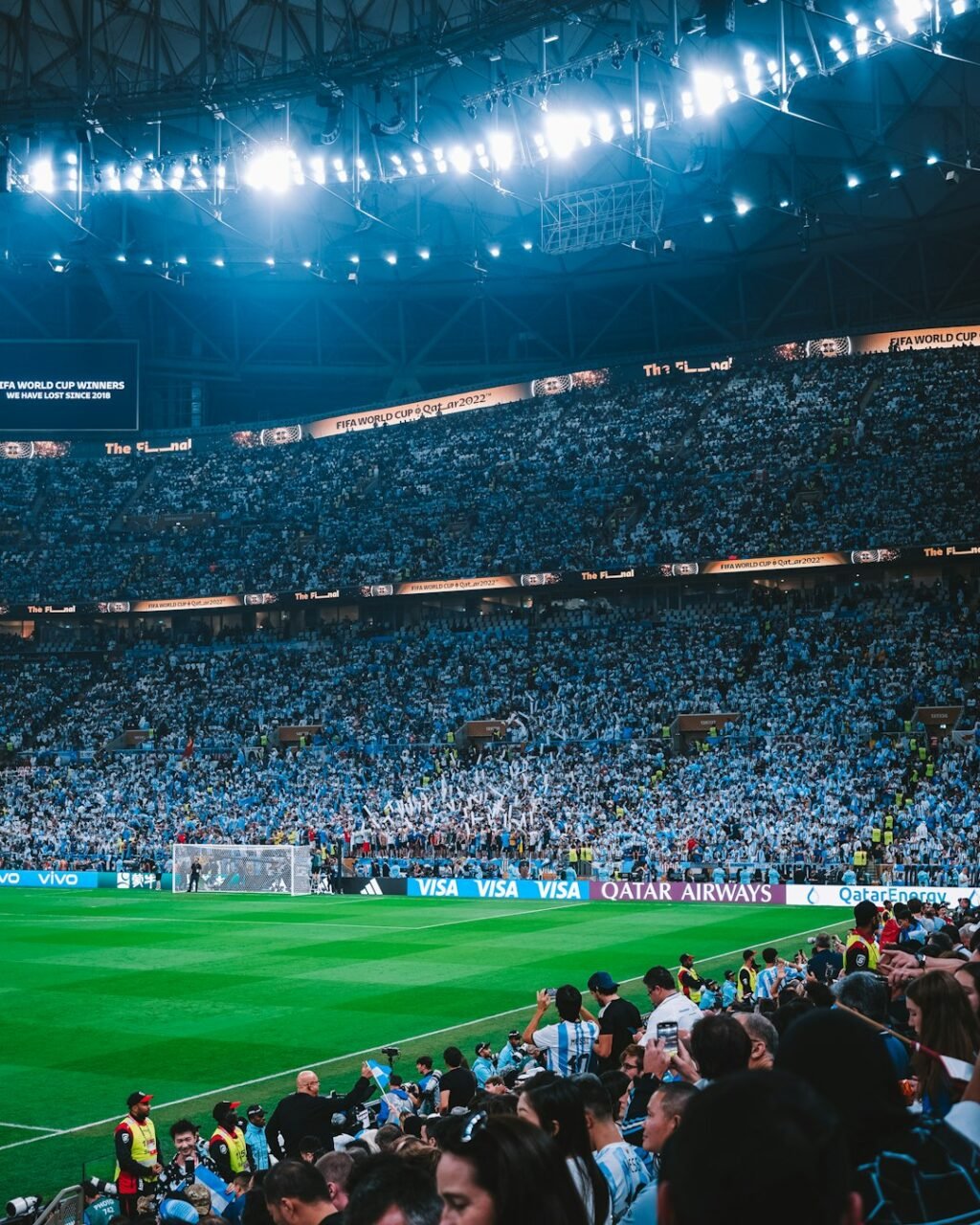
Football fans around the world may want to sit down for this one, because the sport’s governing bodies are locked in a dispute that could potentially reshape the beautiful game as we know it — and yes, a World Cup boycott is actually on the table.
At the heart of the storm is a proposal from Fifa, football’s global governing body, to sell ownership stakes in its flagship tournaments, including the World Cup itself. The idea, which is essentially about bringing in private investment to commercialise these competitions in a whole new way, has not gone down well with European football’s ruling body, Uefa, or its 55 member associations.
England’s Football Association has now publicly voiced its unease, stating that it shares serious concerns about where this plan could lead. The FA’s position signals that this isn’t just bureaucratic grumbling — there are genuine worries about what handing financial stakes in major tournaments to outside investors could mean for the long-term integrity and governance of the sport.
Things escalated quickly when Uefa called an emergency meeting, gathering all 55 of its national associations to discuss the situation together. Emergency meetings in football administration don’t happen over minor disagreements, so the very fact that one was called tells you everything you need to know about how seriously Europe’s football community is taking this threat.
The big question on everyone’s lips is whether this could actually lead to European nations boycotting the World Cup. While that might sound dramatic, it’s not as far-fetched as you’d think. Uefa has significant leverage here — European teams consistently dominate the World Cup, and the tournament without nations like England, Germany, France, Spain, or Italy would lose a massive chunk of its global appeal and commercial value. That’s a powerful bargaining chip.
Critics of Fifa’s proposal argue that allowing private investors to own pieces of major competitions could compromise decision-making, prioritise profits over the welfare of players and fans, and fundamentally alter the character of tournaments that billions of people care deeply about.
Supporters of the plan, on the other hand, suggest that new investment streams could benefit football at all levels, from grassroots development to infrastructure improvements in emerging footballing nations.
Whatever side you fall on, one thing is crystal clear: this battle between Fifa and Uefa is far from over, and the fallout could change football forever. Stay tuned.