























One of the world’s most strategically vital waterways may be on the verge of a major policy shift. Oman has stepped forward as a diplomatic intermediary, delivering a Gulf-backed proposal to Iran that would introduce voluntary transit fees for vessels passing through the Strait of Hormuz — a narrow but enormously consequential chokepoint connecting the Persian Gulf to the broader global ocean trade network.
The Strait of Hormuz is no ordinary stretch of water. Roughly 20% of the world’s oil supply passes through it every single day, making it a linchpin of global energy markets. Any disruption — political, military, or economic — sends shockwaves through oil prices worldwide. So when news breaks about a potential new framework governing its use, the entire world pays attention.
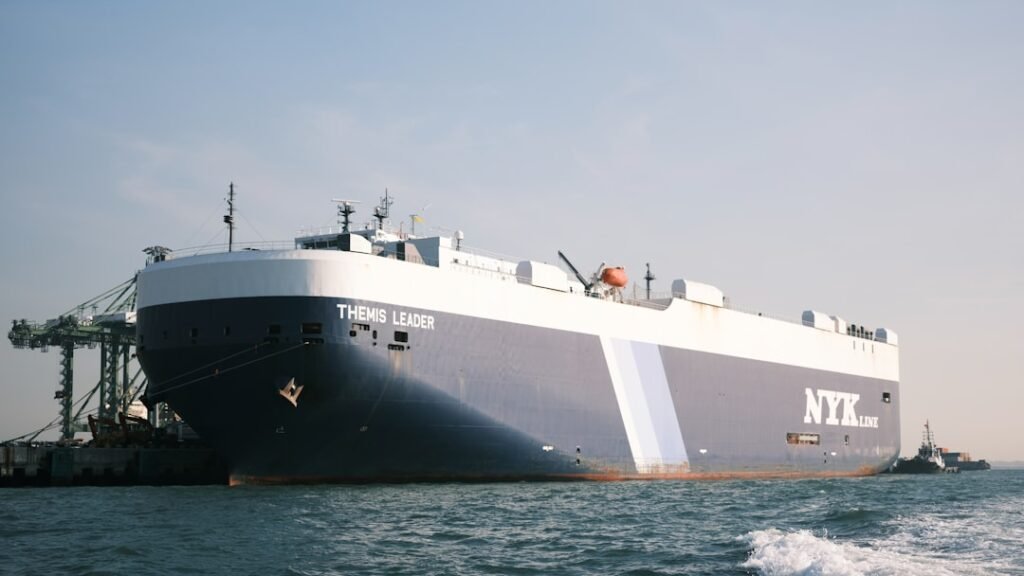
The proposal, reportedly supported by Gulf Cooperation Council (GCC) nations, envisions a system where ships would voluntarily contribute fees to use the strait. Think of it like a toll road, but for supertankers and cargo vessels navigating one of the most tension-filled corridors on the planet. The idea is framed as a cooperative economic arrangement rather than a forced levy, which is likely a deliberate diplomatic choice to make it more palatable to all parties involved.
Oman has long played a unique and quietly powerful role in Middle Eastern diplomacy. Unlike many of its neighbors, Muscat has maintained relatively stable communication channels with Tehran, making it a natural go-between for sensitive negotiations. Delivering this proposal is very much in line with Oman’s tradition of acting as a neutral bridge-builder in the region.
Iran’s response to the plan remains to be seen. Tehran has historically viewed the Strait of Hormuz as a card it can play in geopolitical standoffs, occasionally threatening to close it during periods of heightened tension with Western nations. A voluntary fee arrangement could either be seen as a welcome source of revenue or as an unwanted intrusion on what Iran considers its sovereign influence over the waterway.
For global markets, shipping companies, and energy-dependent nations, the outcome of these discussions could have real financial consequences. Whether this proposal gains traction or quietly fades away, it signals that Gulf nations are actively seeking new frameworks to manage one of the world’s most critical — and volatile — maritime corridors. This is definitely a story worth watching closely in the weeks ahead.