


















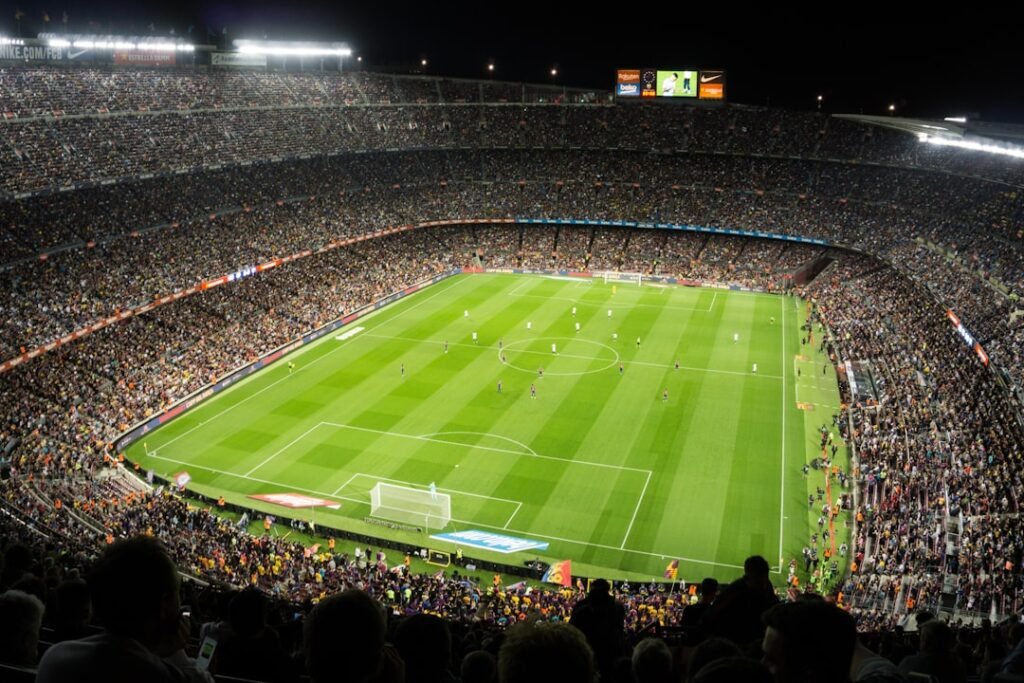
World football is no stranger to drama, but the past two days have delivered a storyline so explosive that even the most seasoned football fans are struggling to keep up. At the center of it all? FIFA president Gianni Infantino, whose grip on global football’s most powerful office is looking shakier than ever before.
The bombshell dropped when UEFA — the governing body overseeing European football and home to some of the sport’s biggest and most lucrative leagues — raised the very real prospect of boycotting the World Cup. Let that sink in for a moment. A World Cup without Europe’s footballing giants would essentially be a tournament stripped of much of its prestige, viewership, and commercial appeal. It’s the nuclear option, and the fact that it’s even being discussed tells you everything about how serious the rift has become.
Adding more fuel to an already raging fire, Concacaf — the confederation representing North and Central America and the Caribbean — has flatly rejected a funding proposal put forward by Infantino. This is particularly eyebrow-raising given that the United States, Canada, and Mexico are set to co-host the 2026 World Cup. Having the host region’s governing body push back so publicly is a significant political blow that Infantino simply cannot afford to brush off.
So what exactly is driving all of this? At its core, the tensions revolve around power, money, and the direction in which Infantino wants to steer global football. Critics argue that his leadership style has become increasingly autocratic, with major decisions being made without meaningful consultation from the confederations that supposedly have a seat at the table. Trust, it seems, has completely broken down.
The big question everyone is asking now is whether Infantino can actually survive this. Historically, FIFA presidents have weathered storms that would sink most political careers, but this feels different. When UEFA and Concacaf are both pushing back simultaneously, the coalition against him is harder to dismiss as mere dissent.
What happens next will depend on whether FIFA’s other confederations rally behind Infantino or quietly distance themselves. Emergency meetings, back-channel negotiations, and plenty of political maneuvering are almost certainly already underway behind closed doors.
One thing is certain — world football is at a genuine crossroads, and the decisions made in the coming weeks could reshape the sport’s power structure for decades to come.