


















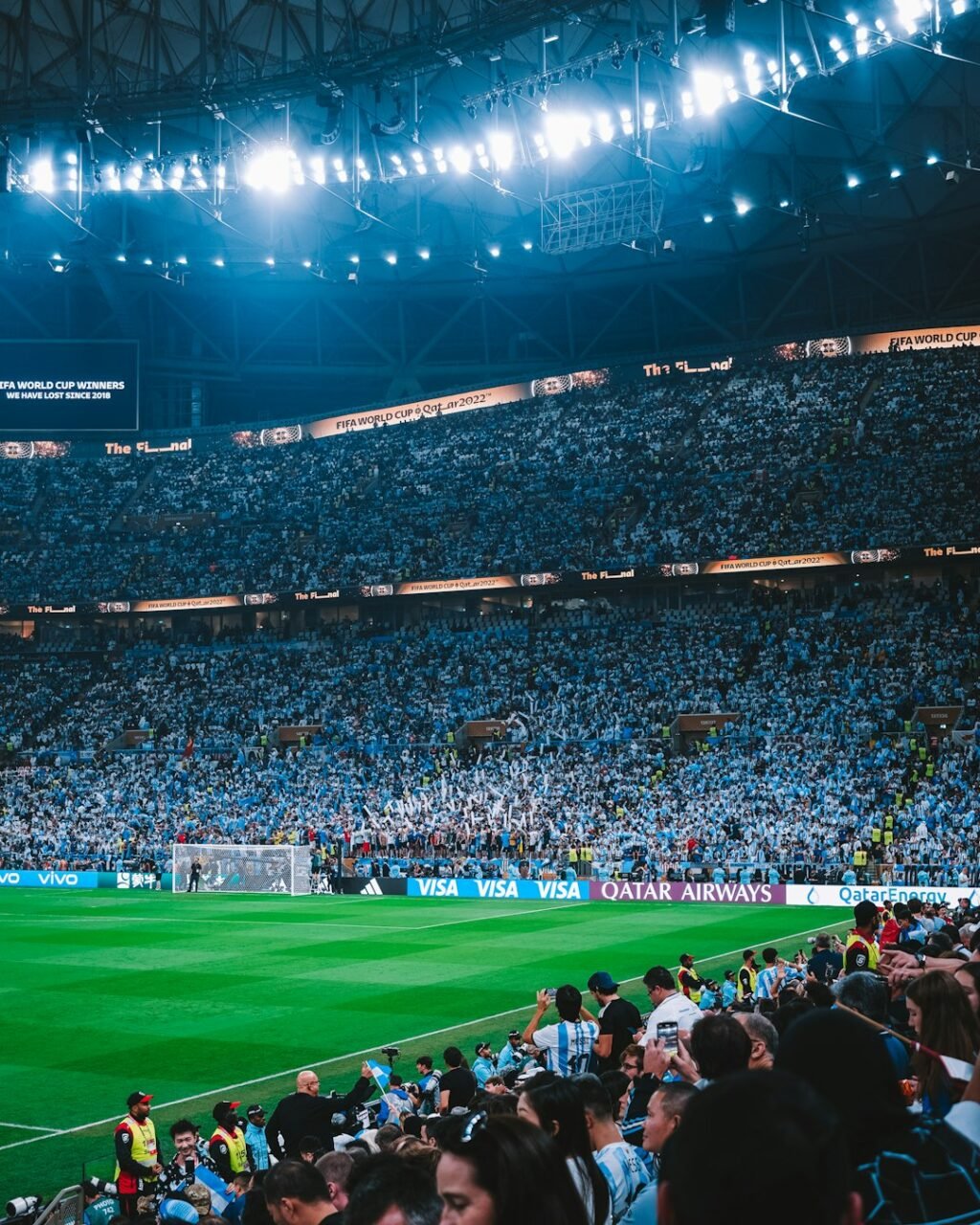
Football’s governing body is at the center of a major storm right now, and it has nothing to do with what’s happening on the pitch. FIFA president Gianni Infantino has reportedly been quietly cooking up a plan that could fundamentally change the way the World Cup — the most-watched sporting event on the planet — is owned, operated, and monetized. And not everyone is happy about it.
At the heart of the controversy is a proposal that would essentially hand over significant commercial control of the World Cup to outside investors or private entities. Critics are calling it a “sell-off” of football’s crown jewel, arguing that the tournament’s soul risks being sacrificed at the altar of profit. For fans who see the World Cup as a sacred shared experience, the idea of it being treated like a commodity is understandably alarming.
Things got even more heated when reports emerged that Infantino allegedly pressured FIFA member nations to fall in line with the plan — or risk losing out on $40 million in funding. That’s a significant financial lever to pull, especially for smaller football federations that depend heavily on FIFA’s financial support to keep their programs running. Critics are describing the move as coercive, and it’s not hard to see why.
The backlash has been swift and fierce. UEFA reportedly called an emergency meeting as opposition among European football powers began to solidify. Germany is said to be among the nations ready to push back firmly against the proposal, and the Asian Football Confederation’s president went on record calling the entire plan “unacceptable.” When both European giants and Asian football leaders are singing from the same hymn sheet of opposition, that’s a serious sign that Infantino may have overplayed his hand.
What makes this situation particularly fascinating is the broader question it raises: Who does the World Cup actually belong to? Is it a commercial asset to be leveraged for maximum revenue, or is it a global cultural institution that should be protected from pure market forces? Most fans would passionately argue the latter.
As emergency meetings are called and federations dig in their heels, one thing is clear — this battle is far from over. The coming weeks could prove to be one of the most defining moments in FIFA’s turbulent modern history. Stay tuned, because this one is going to get a lot more interesting before it gets resolved.