
























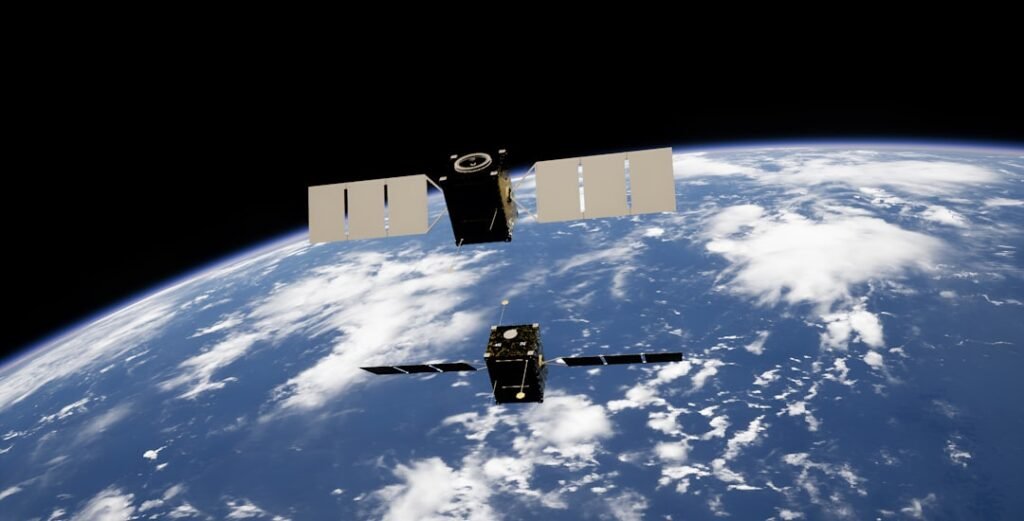
In what might be one of the fastest product reversals in recent tech history, Google launched — and then quietly pulled — an AI-powered feature for Google Earth that could generate fake satellite imagery. The whole saga unfolded in less than 24 hours, leaving tech watchers, misinformation experts, and everyday users with a lot of questions.
The feature, tied to something Google was calling “Nano Banana,” allowed users to transform real-world locations into AI-generated, stylized versions of those same places. Think of it like a filter for the planet — point it at your hometown, your school, or a famous landmark, and watch it get reimagined by artificial intelligence. Sounds fun, right? Well, not everyone thought so.
Almost immediately after the tool went live, alarm bells started ringing across the tech and journalism communities. Experts in digital misinformation were quick to flag the obvious problem: a tool that can fabricate convincing satellite-style images of real locations is essentially a deepfake machine for geography. In an era where doctored images spread faster than corrections ever could, handing that kind of power to the general public — without robust safeguards — felt reckless to many observers.
The BBC reported that misinformation researchers voiced serious concerns about how such a tool could be weaponized. Fake imagery of military zones, disaster areas, political borders, or sensitive infrastructure could be generated and spread with alarming ease. The potential for abuse wasn’t just theoretical — it was glaringly obvious from the moment the feature went public.
Google, to its credit, recognized the backlash quickly and pulled the feature while it reassesses the rollout. The company hasn’t made a detailed public statement about what went wrong internally or whether the feature will return in a modified form, but the swift reversal suggests even they understood the feature hadn’t been fully thought through.
This episode is a fascinating — and somewhat unsettling — reminder of how quickly AI capabilities can outpace our ethical frameworks for using them responsibly. Even a tech giant like Google, with armies of engineers and policy teams, can stumble when moving fast in the AI space.
The big question now is whether Google will bring the feature back with stronger guardrails, or whether this particular experiment is permanently grounded. Either way, it’s a cautionary tale worth paying attention to.