

















It sounded like a fun idea at the time. Google quietly rolled out an experimental AI feature inside Google Earth that let users reimagine real-world locations with a creative, stylized twist. The tool, cheekily dubbed “Nano Banana,” was designed to let people transform places they know and love into something whimsical and artistic. What could go wrong?
Quite a lot, as it turns out.
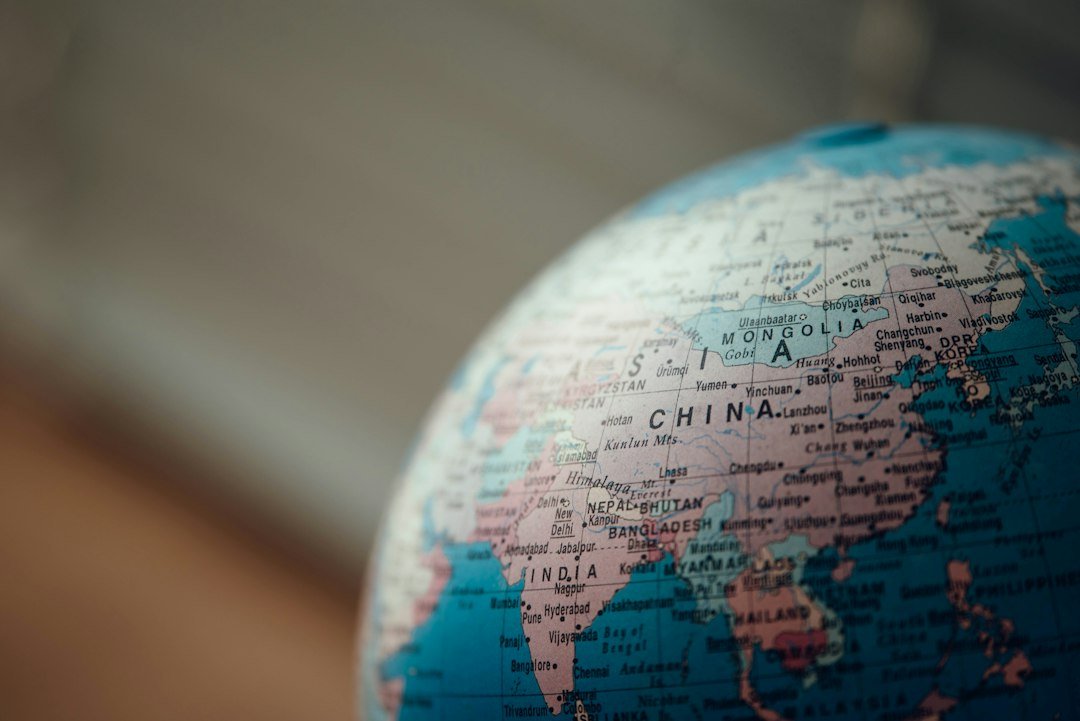
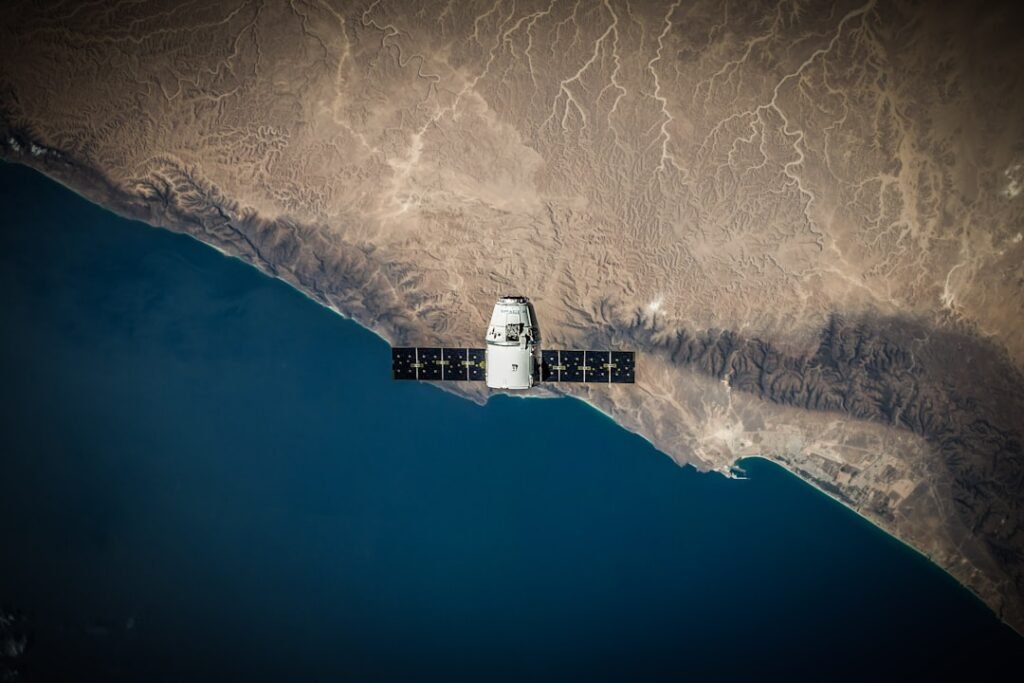
Within a remarkably short window — we’re talking roughly a single day — users discovered that the feature could be pushed well beyond its intended purpose. Instead of harmless visual fun, people began generating convincingly realistic fake satellite imagery of real locations. Think fabricated military installations, altered geographic landmarks, and manipulated views of sensitive areas around the globe. The kind of content that doesn’t just look silly — it looks dangerously believable.
Google pulled the plug fast. Alphabet, Google’s parent company, confirmed it rolled back the AI image generation capability in Google Earth after identifying clear policy violations. It’s a classic case of a tech giant underestimating how creatively — and irresponsibly — its user base can wield a shiny new tool.
This incident raises some genuinely uncomfortable questions about AI-powered features being deployed before the guardrails are fully in place. Satellite imagery carries a weight that a typical AI art generator doesn’t. It’s used by journalists, researchers, governments, and everyday people trying to verify what’s happening in conflict zones or disaster areas. Injecting convincing fakes into that ecosystem, even briefly, is a serious problem.
Critics were quick to point out that Google may have “ruined” one of its most trusted mapping tools — at least temporarily — by prioritizing a flashy AI gimmick over the platform’s core reputation for accuracy and reliability. The Atlantic didn’t mince words, and frankly, it’s hard to argue with the concern.
For Google, this is yet another reminder that launching AI features at speed requires an equally fast and robust abuse-prevention strategy. The technology to create realistic fake imagery is only getting sharper, and the window between “fun experiment” and “geopolitical misinformation risk” is razor thin.
The feature is gone for now, but the conversation it sparked is far from over. As AI becomes more deeply woven into the tools we rely on daily, incidents like this will keep forcing us to ask: just because we can build something, does that mean we should deploy it to the whole world before we’ve thought it through?