





















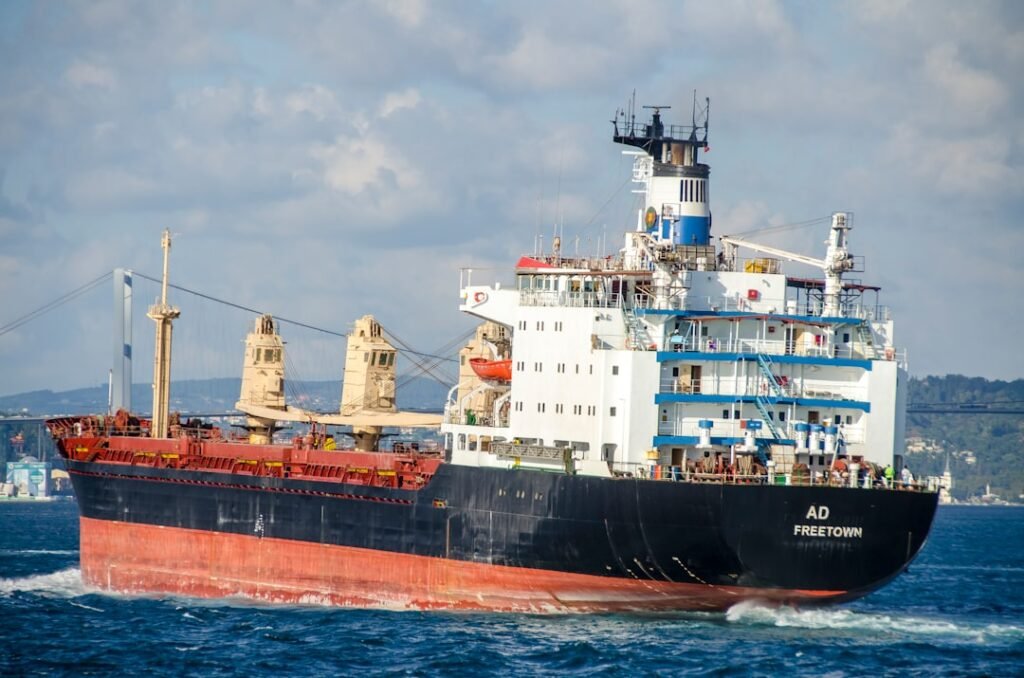

One of the world’s most critical shipping chokepoints is at the center of a fresh geopolitical standoff, and the stakes couldn’t be higher. Iran has reportedly turned down a proposal brokered by Oman that would have established a shared management framework for the Strait of Hormuz — the narrow waterway through which roughly 20% of the world’s oil supply passes every single day.
The Omani proposal, which had backing from several Gulf nations, floated the idea of voluntary fees for vessels using the strait. It was seen as a diplomatic middle ground — a way to give Iran some level of economic recognition over the waterway without triggering an international firestorm. But Tehran wasn’t buying it. Iranian officials reportedly pushed back hard, signaling they want significantly more authority and control over the passage than any of the current proposals were willing to offer.
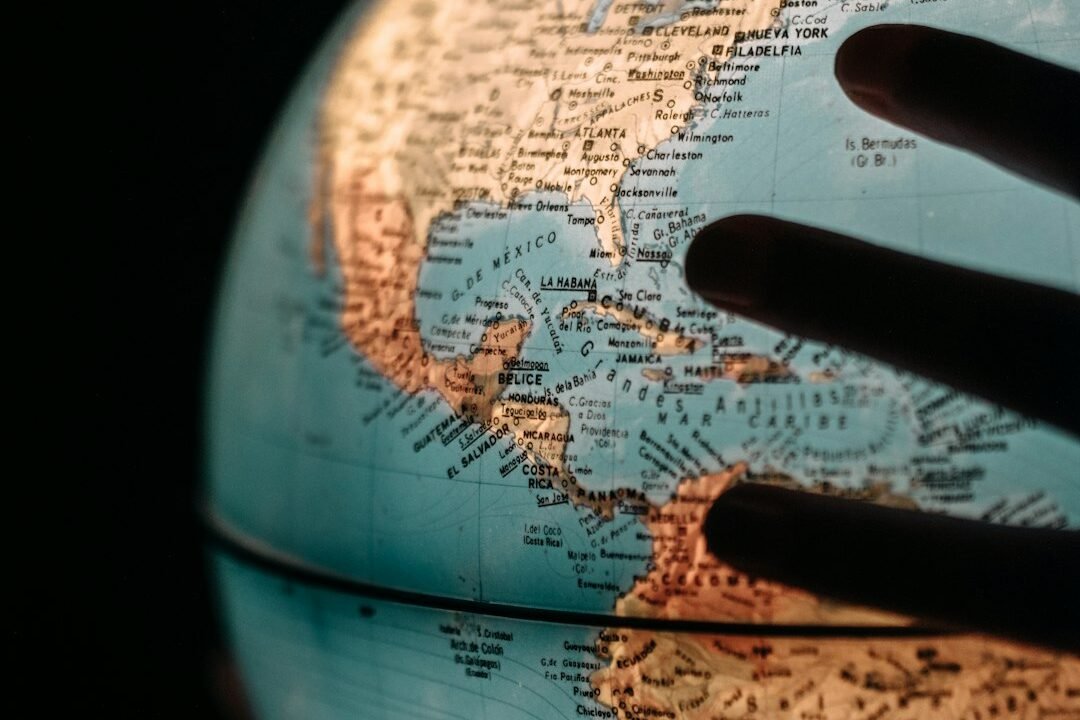
This isn’t just a regional squabble. The Strait of Hormuz sits between Iran and the Arabian Peninsula, connecting the Persian Gulf to the Gulf of Oman. If Iran were ever to tighten its grip on that corridor — or worse, attempt to block it — the ripple effects on global energy markets would be immediate and severe. Oil prices would spike, supply chains would buckle, and economies from Europe to Asia would feel the pinch almost overnight.
Adding an interesting twist to the story, a U.S. official moved quickly to reassure markets and allies, stating clearly that no tolls or mandatory fees on Hormuz shipping would be part of any agreement involving Iran. That statement seemed aimed at calming nerves among trading partners who feared a scenario where Iran essentially gets to charge a toll on the world’s oil highway.
Meanwhile, diplomatic back-channels remain open. Iran has been hosting discussions with both Saudi Arabia and Oman, and former President Donald Trump — still a major voice in Republican foreign policy circles — reportedly described the ongoing conversations as “good talks.” Whether that optimism translates into any real breakthrough remains to be seen.
The bottom line? Iran wants leverage, the Gulf states want stability, and the rest of the world just wants the oil to keep flowing. Finding a deal that satisfies all three is going to take some serious diplomatic heavy lifting — and right now, nobody seems close to cracking that code.