
























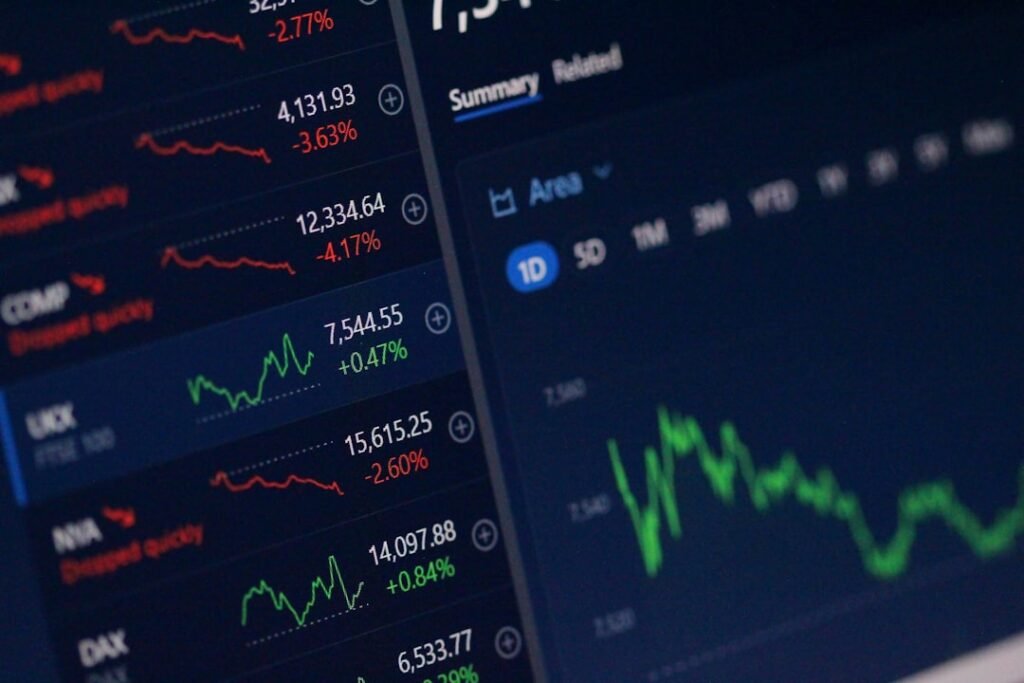

For years, tech giants have been throwing staggering sums of money at artificial intelligence, and investors largely cheered them on. But something shifted this earnings season — and the mood on Wall Street is starting to look a lot less celebratory.
The latest source of anxiety? Google. The tech behemoth just revised its capital expenditure forecast upward — again. We’re now talking about a projected spending range of $195 to $205 billion. To put that in perspective, the top end of Google’s previous estimate was lower than the bottom end of this new range. That’s not a small revision. That’s a company essentially telling investors, “We have no idea how much this is going to cost us.”
And here’s the part that really makes accountants lose sleep: Google is currently spending more money than it’s bringing in. That’s a tough pill to swallow for shareholders who were promised that the AI revolution would eventually translate into real, measurable profits.
Now, to be fair, massive investment phases are common in the tech world. Companies often spend big before they earn big — that’s been the Silicon Valley playbook for decades. But there’s a growing sense that the AI buildout is different in scale and uncertainty. The infrastructure costs — data centers, custom chips, energy consumption — are ballooning at a rate that even the companies doing the spending seem unable to predict accurately.
That unpredictability is what’s really spooking investors. Markets can handle big spending. What they struggle to handle is a lack of visibility. When a company of Google’s size can’t give reliable cost forecasts, it raises uncomfortable questions: How long before AI investments actually pay off? Is the return on investment even calculable at this point? And crucially — are other major players like Microsoft, Amazon, and Meta facing the same reckoning?
The broader market has been riding high on AI optimism for a while now, with stock valuations reflecting sky-high expectations for future earnings. But if the costs keep climbing without a clear path to proportional revenue, that optimism could curdle quickly.
Wall Street isn’t panicking yet — but the nervous glances are multiplying. AI is still the future everyone’s betting on. The question is just how expensive that future is going to be before it starts paying the bills.