





















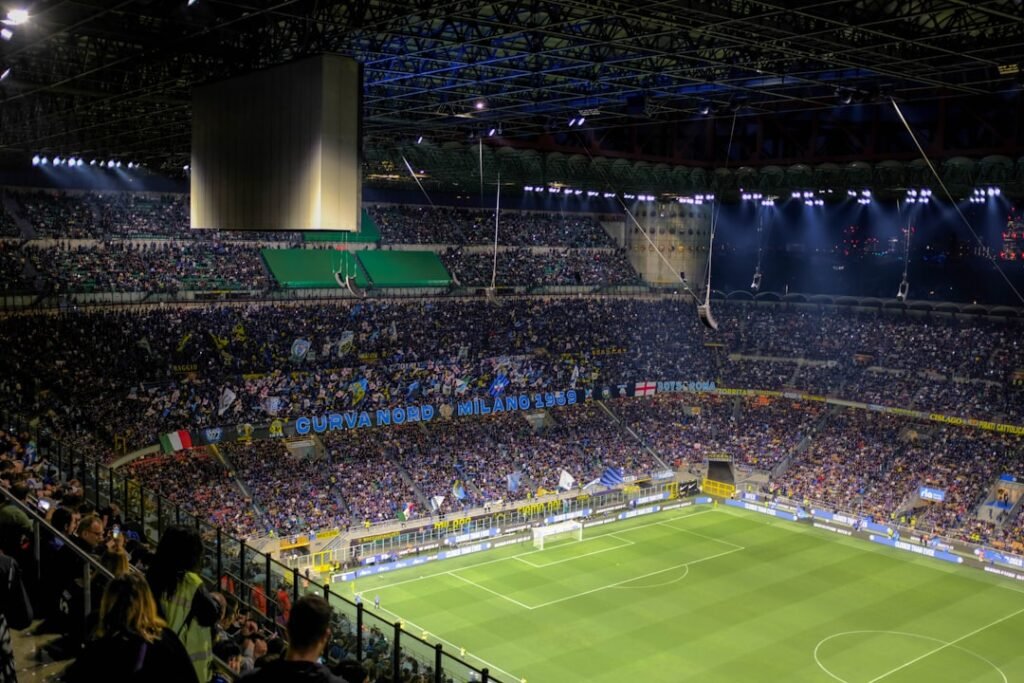

If you’ve been following the drama unfolding in Italian football lately, you might be forgiven for thinking you were watching a particularly gripping soap opera rather than the behind-the-scenes workings of one of the world’s most storied sporting cultures. Over the past couple of weeks, the beautiful game in Italy has been anything but beautiful — and the chaos has left fans, pundits, and players scratching their heads in disbelief.
The storm reached its peak when legendary figures Paolo Maldini and Leonardo made the shocking decision to walk away from their roles. For many supporters, Maldini in particular is practically a symbol of everything Italian football stands for — class, loyalty, and an almost mythical connection to the game. Seeing him exit under such turbulent circumstances stung deeply, and it sent shockwaves through the entire footballing community.
So what exactly happened? Put simply, a messy and drawn-out search for a new manager turned into a full-blown organizational crisis. Behind-the-scenes disagreements, clashing visions for the club’s future, and a decision-making process that seemed to please nobody all contributed to an implosion that few saw coming at this scale. Sixteen days of uncertainty, leaked stories, and public fallout painted a picture of a football institution struggling to find its footing in the modern era.
Now, with Roberto Mancini stepping into the frame as the man tasked with steadying the ship, there’s at least a sliver of hope on the horizon. Mancini is no stranger to high-pressure environments — his trophy-laden career as a manager, which includes remarkable turnarounds at club and international level, suggests he has the temperament and tactical intelligence to handle what he’s walking into. The question isn’t whether he’s capable. The question is whether the structures around him are stable enough to let him actually do his job.
Italian football has always been passionate, dramatic, and fiercely proud. Those qualities are part of what makes it so captivating. But passion without direction can quickly spiral into exactly the kind of mess we’ve just witnessed. Mancini’s arrival feels like a reset button being pressed — but everyone involved needs to be pushing it together. If the boardroom drama continues to overshadow what happens on the pitch, no manager in the world will be able to fix what’s broken. The ball, quite literally, is in their court.