
























Japan is no stranger to seismic activity, but the latest earthquake to shake the country has left residents shaken — literally and emotionally. A powerful 7.1 magnitude tremor struck the southern island of Kyushu, sending shockwaves through communities, injuring dozens, and leaving some people unaccounted for in the aftermath.
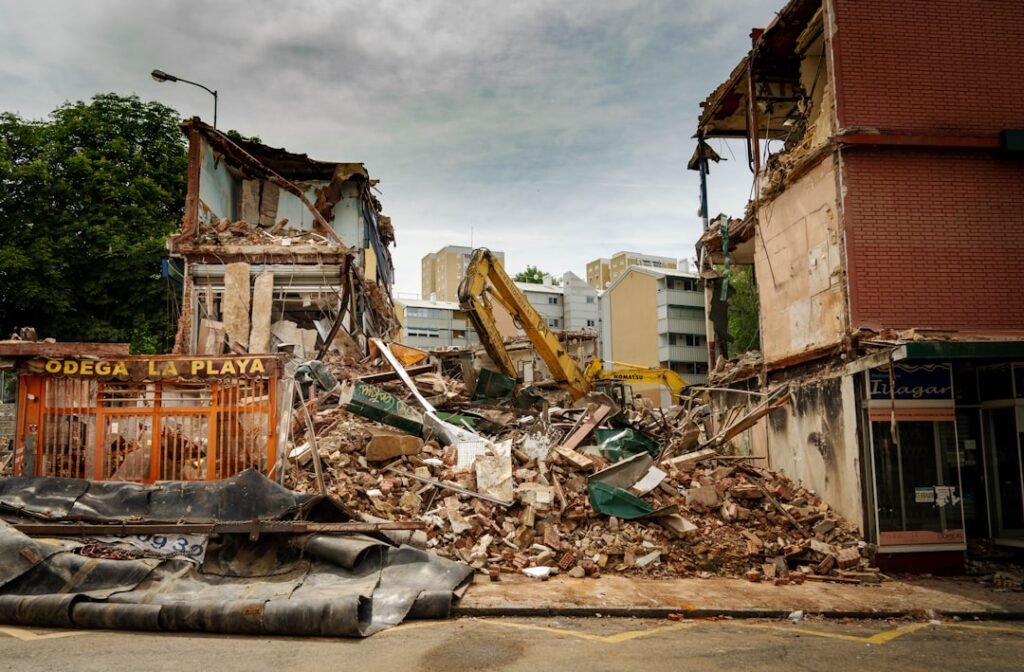
The disaster has hit the region of Kumamoto particularly hard. Among the most heartbreaking developments is the collapse of a shopping mall that had only recently reopened its doors following extensive rebuilding efforts. The original structure had been destroyed in the devastating 2016 earthquakes that ravaged the same area. The cruel irony of watching a symbol of resilience crumble once again has not been lost on locals or observers around the world. Tragically, at least two fatalities have been confirmed inside the facility, with rescue crews working urgently to locate anyone who may still be trapped beneath the debris.
Emergency responders have been racing against the clock since the quake struck, scouring the wreckage for survivors. The images emerging from the scene are sobering — twisted metal, crumbled concrete, and communities once again confronting the raw, unpredictable power of nature.
Beyond the mall, Kumamoto Castle — one of Japan’s most iconic and historically significant landmarks — has also reported damage. The castle has long been a source of regional pride, and it had itself undergone lengthy restoration work following the 2016 disaster. Seeing it damaged again is a painful blow for the cultural heritage of the region.
Authorities have urged residents in affected areas to remain cautious, as aftershocks can follow a major seismic event and further destabilize already weakened structures. Tsunami warnings were also briefly a concern, though officials have been monitoring the situation closely.
Japan sits atop the Pacific Ring of Fire, making it one of the most earthquake-prone nations on Earth. The country has invested heavily in earthquake-resistant infrastructure and early-warning systems, but as this latest event tragically demonstrates, no amount of preparation can fully eliminate the risks that come with living in such a geologically active region.
Our thoughts go out to everyone affected by this disaster. As rescue operations continue and the full scope of the damage becomes clearer, the resilience of the Japanese people — tested time and time again — will undoubtedly shine through once more.