























One of the world’s most strategically critical waterways is back in the spotlight, and this time, the conversation involves money — specifically, who pays to pass through it. Oman has stepped forward as a diplomatic intermediary, delivering a Gulf-backed proposal to Iran that would introduce voluntary transit fees for vessels navigating the Strait of Hormuz. It’s a bold idea, and the world is watching closely to see how Tehran responds.
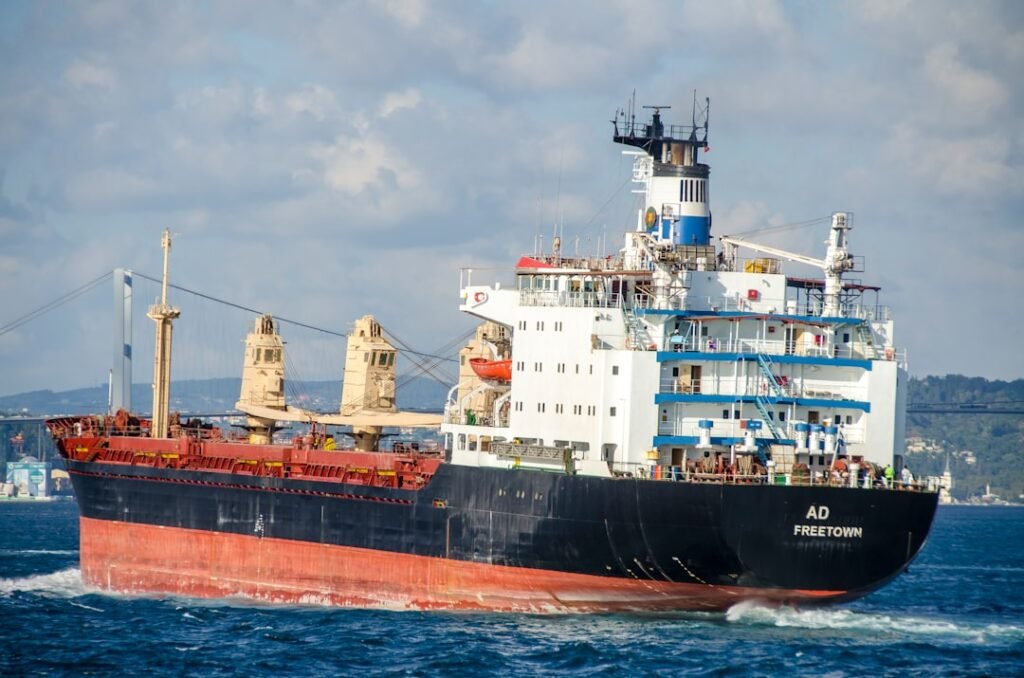
The Strait of Hormuz is no ordinary shipping lane. Sitting between Oman and Iran, this narrow passage handles roughly 20% of the world’s oil supply on any given day. Tankers, cargo vessels, and liquefied natural gas carriers all funnel through this chokepoint, making it one of the most economically vital — and politically sensitive — stretches of water on the planet. Any changes to how it operates send ripples across global energy markets almost instantly.
The proposal, which reportedly carries the backing of Gulf Cooperation Council (GCC) nations, frames the fees as voluntary rather than mandatory. This distinction is crucial. A mandatory toll would almost certainly spark legal challenges and international pushback, given that major maritime laws recognize the right of innocent passage through international straits. A voluntary framework, on the other hand, is a softer approach designed to bring Iran to the table without triggering immediate confrontation.
For Iran, the offer is a double-edged sword. On one hand, a share of transit revenues could provide a welcome economic boost, especially given the financial pressures the country faces under ongoing sanctions. On the other hand, accepting such a deal could be interpreted domestically as legitimizing foreign influence over what Iran considers its own backyard — a politically tricky position for any government to navigate.
Oman’s role as the messenger here is no accident. The sultanate has long maintained a rare and valuable diplomatic neutrality in the region, maintaining open lines of communication with both Tehran and Western-aligned Gulf states. It has historically served as a quiet back-channel for sensitive negotiations, and this latest move reinforces that reputation.
Whether Iran embraces, rejects, or simply stalls on this proposal remains to be seen. But the fact that such a conversation is happening at all signals a growing appetite among Gulf nations to reshape the rules of engagement around Hormuz — and potentially reduce the geopolitical volatility that has long haunted this critical corridor.