























When most people hear the words ‘robot ban,’ their minds immediately jump to sci-fi imagery — humanoid machines walking off assembly lines and being turned away at the border. And sure, that was part of the story when the Trump administration recently announced sweeping restrictions on foreign-made robotic devices entering the United States. But here’s the twist nobody saw coming: the ban doesn’t stop at robots with arms and legs.
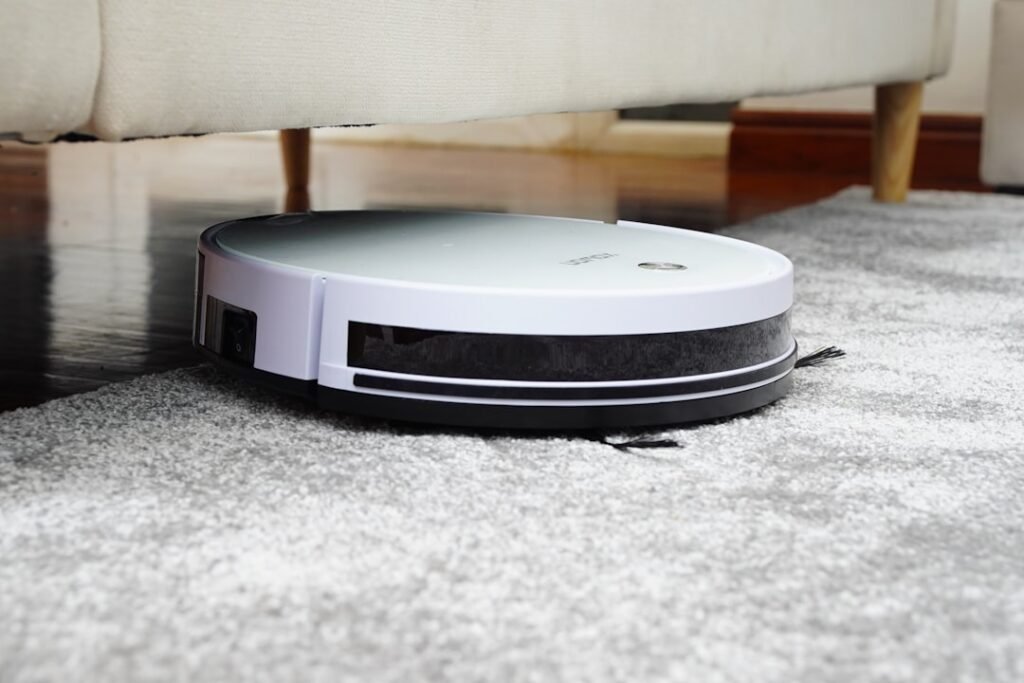
That’s right — humble robot vacuums are caught in the crossfire too. The FCC has confirmed that the new restrictions on ‘advanced robotic devices’ are broad enough to include the little disc-shaped floor cleaners that millions of American households rely on to keep their carpets tidy. So yes, we’re talking about Roombas — or more specifically, the next generation of them.
Before you panic and check under your couch, take a breath. Your current robot vacuum isn’t going anywhere. Devices that have already been approved and are currently on shelves or in warehouses can still be sold. The ban targets future imports of foreign-manufactured robotic products, and the government’s stated concern is national security. Officials argue that next-generation smart robots — even the vacuum kind — could potentially be used for surveillance or data collection in American homes.
It might sound far-fetched at first, but think about it: modern robot vacuums aren’t just mindless dirt-suckers anymore. They build detailed maps of your home, connect to your Wi-Fi, and in some cases, are equipped with cameras. When those devices are manufactured overseas — particularly in China — the government’s concern about where that data could end up starts to feel a little less like paranoia.
The ripple effects are already being felt across the industry. Robovac companies are now reportedly being encouraged — or pressured — to commit to manufacturing their products on US soil. That’s a massive operational shift for an industry that has long relied on overseas production to keep costs down.
What does this mean for consumers? In the short term, probably not much. But down the road, if manufacturers are forced to relocate production stateside, expect prices to climb. That next-generation self-emptying, AI-powered robovac might come with a significantly heftier price tag.
The age of the affordable foreign-made smart home device may quietly be coming to an end — one dusty floor at a time.