
























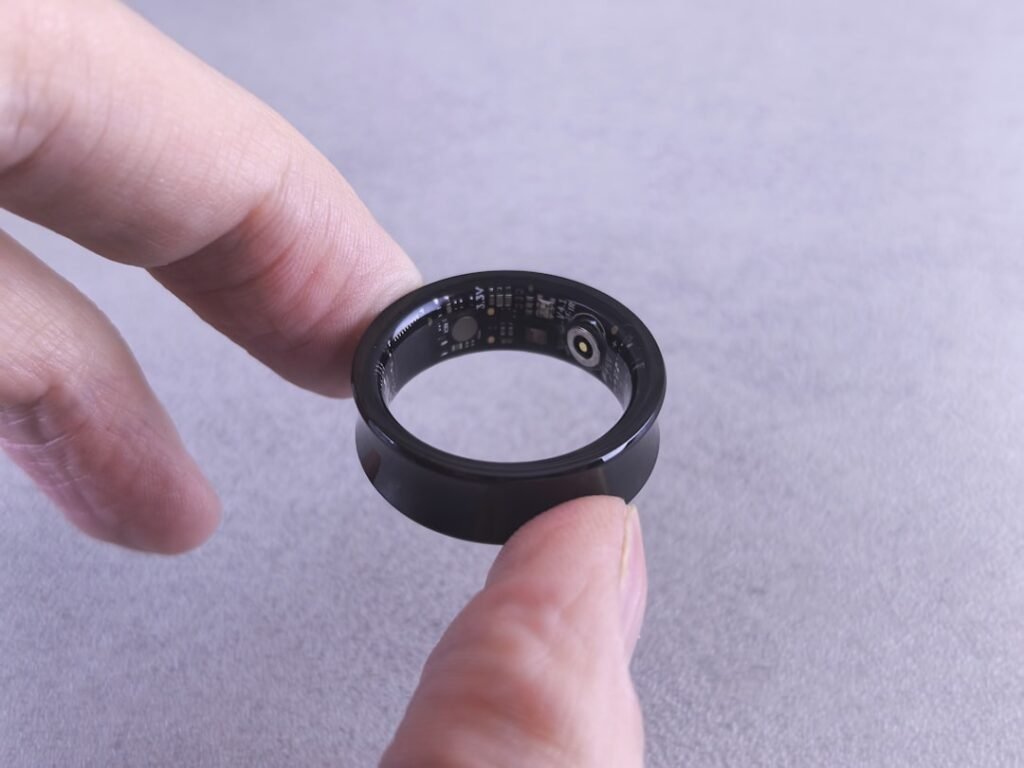
Smart rings are having a serious moment in the wearable tech world. Sleek, stylish, and packed with health-tracking features, they’ve been winning over fitness enthusiasts and tech lovers alike. But before you ditch your trusty smartwatch and slide one of these tiny gadgets onto your finger, there are a few downsides worth knowing about.
First up: battery life can be deceiving. While smart rings generally boast impressive battery performance compared to smartwatches, they still need regular charging — and unlike a watch, there’s no quick glance at a screen to warn you when you’re running low. Running out of juice at the wrong moment could mean missing out on crucial health data overnight.
Second, the lack of a display is a dealbreaker for many users. Smartwatches let you check notifications, reply to messages, or glance at your heart rate without pulling out your phone. A smart ring does none of that. It’s purely a data-collection device, meaning your smartphone stays glued to your hand more than ever.
Third, getting the right fit is surprisingly tricky. Unlike a watch strap you can loosen or tighten, a ring is a fixed size. Fingers swell throughout the day, fluctuate with temperature, and even change size seasonally. An ill-fitting ring can throw off sensor accuracy or simply become uncomfortable to wear for long periods.
Fourth, the app ecosystems for most smart rings are still maturing. Some brands lock their best insights behind premium subscription paywalls, meaning the upfront cost of the device is just the beginning. If you’re not prepared to commit to a monthly fee, you might find yourself staring at limited data.
Fifth, compatibility and integration with other devices and platforms can be hit or miss. Unlike established smartwatch brands that sync seamlessly with a wide range of apps and services, smart rings often work best within their own closed ecosystems, which can feel limiting if you already have a preferred health-tracking setup.
None of this means smart rings aren’t worth trying — for many people, they’re a genuinely comfortable and low-profile alternative to bulkier wearables. But going in with realistic expectations will help you decide if one truly fits your lifestyle, literally and figuratively.