




















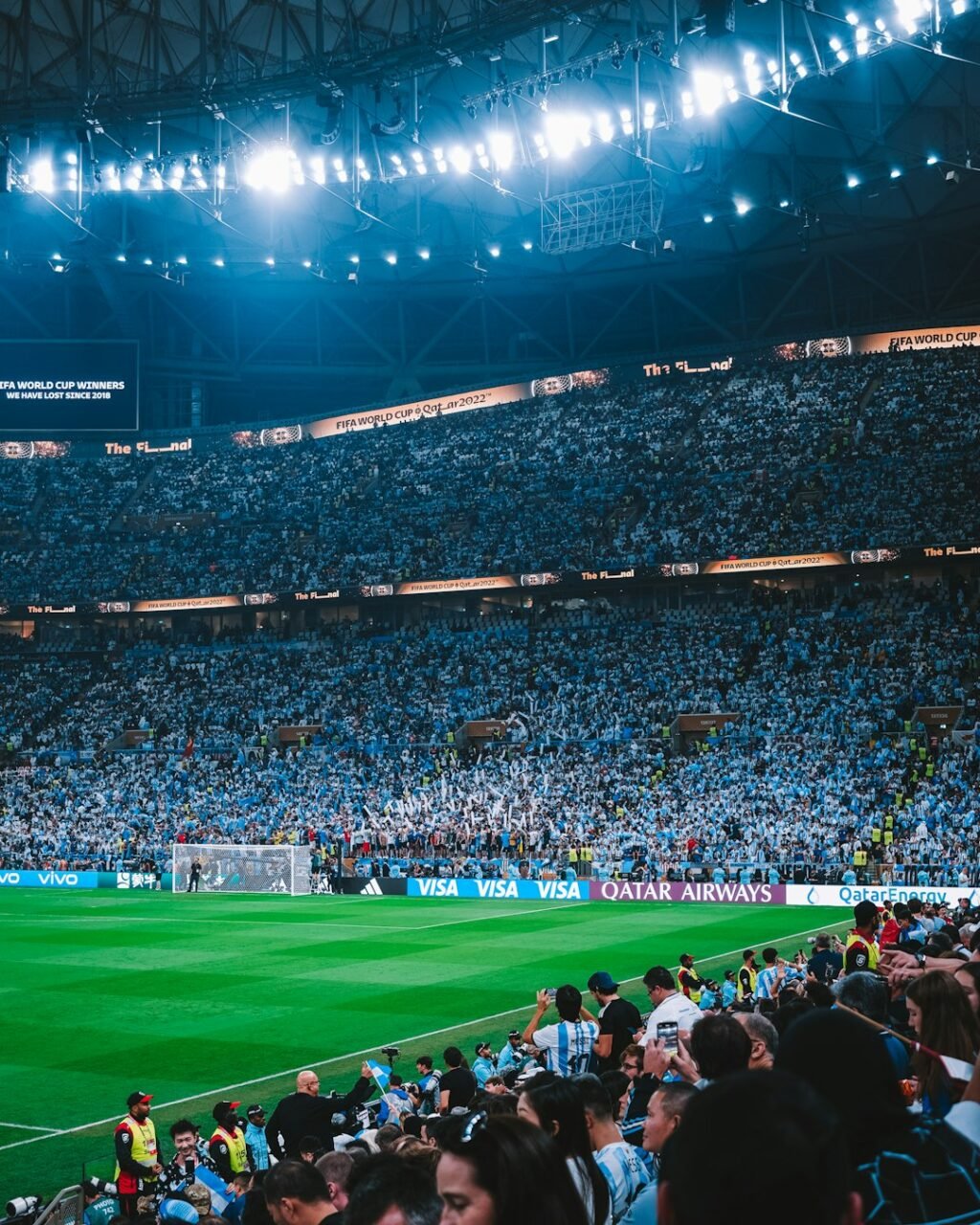
Football’s biggest stage could be on the verge of a seismic shake-up — and not in a good way. In a dramatic show of unity, all 55 member associations under UEFA’s umbrella have thrown down the gauntlet, threatening to walk away from the World Cup entirely if FIFA pushes ahead with its controversial plans to sell ownership stakes in its competitions.
Let that sink in for a moment. Europe’s football powerhouses — think Germany, France, Spain, England, and dozens more — could potentially sit out the most-watched sporting event on the planet. This isn’t just posturing; it’s a full-scale institutional standoff that could reshape the entire landscape of global football as we know it.
So what exactly is FIFA proposing? The governing body has been exploring the idea of bringing in outside investors by offering stakes in its flagship tournaments, including the World Cup. The move is widely seen as a way to unlock massive new revenue streams and fund football’s expansion, particularly in emerging markets. Sounds reasonable on paper, right? Well, not everyone agrees.
UEFA and its member nations are deeply uncomfortable with the notion of private investors having any kind of financial finger in the pie of football’s crown jewel. The concern is straightforward — once outside shareholders enter the picture, the sport’s governance, integrity, and long-term direction could be pulled in directions that serve profit over the beautiful game itself. It’s a fear many fans quietly share too.
This tension between UEFA and FIFA is nothing new. The two bodies have clashed repeatedly over the years on everything from calendar congestion to proposed Super League formats. But a unified boycott threat of this magnitude? That’s genuinely unprecedented territory, and it sends a powerful message that Europe’s football establishment is prepared to play serious hardball.
Of course, a World Cup without European teams would be commercially catastrophic for FIFA. European nations consistently draw some of the tournament’s biggest audiences and sponsorship interest. Losing them would fundamentally undermine the event’s global appeal and financial value — ironically defeating the very purpose of the investor plan.
Whether this standoff leads to a genuine rupture or a last-minute compromise remains to be seen. But one thing is crystal clear: football is at a crossroads, and the decisions made in the coming weeks could echo through the sport for generations. Stay tuned — this story is far from over.