























For many African students dreaming of studying in the United Kingdom, the financial requirements of the UK Student Visa can feel like an insurmountable barrier. Proof of funds is typically one of the most scrutinized parts of a UK visa application — but here’s what many applicants don’t know: students from certain African countries may not need to submit proof of funds at all. This guide breaks down exactly who qualifies, why this exemption exists, and how to navigate the process confidently.
Why Proof of Funds Matters for a UK Student Visa
According to the UK Home Office, international students applying for a Student Visa must demonstrate they have sufficient funds to cover both their tuition fees and living costs during their stay in the UK. For most applicants, this means holding a certain amount of money in a bank account for at least 28 consecutive days before the application date. Living costs alone can require showing up to £1,334 per month for students studying in London. This is a significant financial hurdle that prevents many talented students from pursuing their UK education dreams.
The Exemption: What Is It and Who Gets It?
The UK government offers a proof of funds exemption to applicants who are nationals of certain countries — specifically those listed on the UK’s “low-risk” or “trusted” country register. Students from these countries are considered lower immigration risk, and as a result, the Home Office waives the standard financial evidence requirement. This is a major advantage that simplifies the application process significantly and removes one of the biggest stressors for applicants.
African Countries That Qualify for the Exemption
While the full and most up-to-date list is maintained by the UK Home Office and subject to change, several African countries have historically been included in this exemption category. These typically include nations that have strong bilateral relationships with the UK, stable economies, or low visa overstay rates. It is critical that you verify your country’s current status on the official UK government website before submitting your application, as the list is reviewed and updated periodically. Students from qualifying African countries should confirm their eligibility directly through official channels or via the original source article linked below.
Eligibility Requirements Beyond Proof of Funds
Even if your country is exempt from the financial evidence requirement, you still must meet all other standard UK Student Visa criteria. These include:
• Unconditional offer from a licensed UK institution: You must hold a Confirmation of Acceptance for Studies (CAS) from a UK university or college that is on the UKVI’s Sponsor Register.
• English language proficiency: You must meet the required English language standard, typically demonstrated through IELTS, TOEFL, or equivalent qualifications.
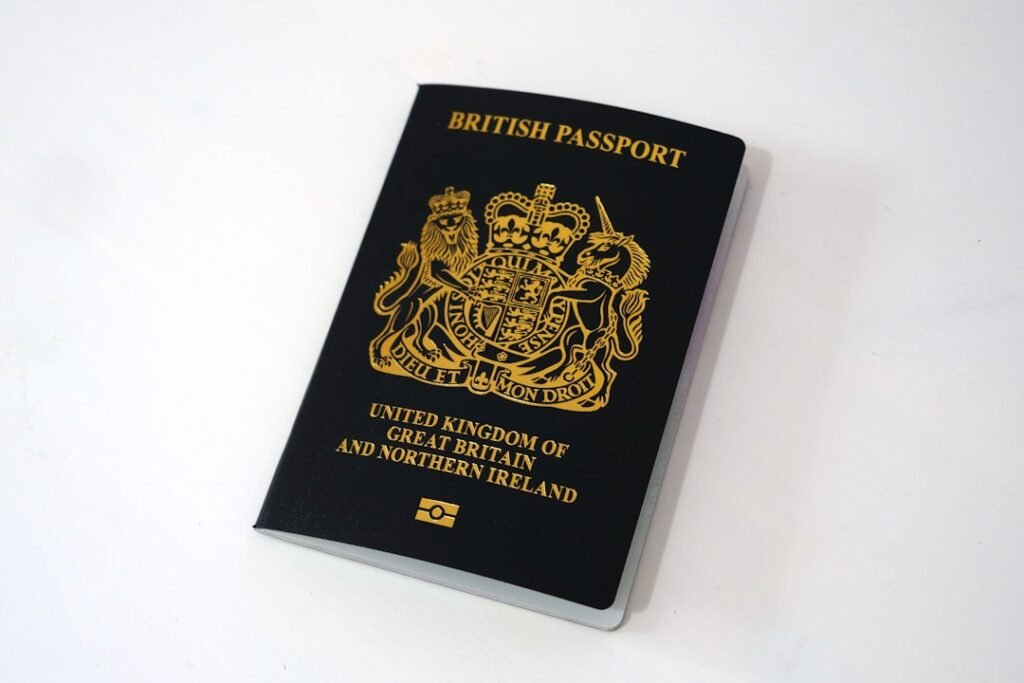
• Valid passport: Your passport must be valid for the duration of your intended stay.
• ATAS clearance (if applicable): Certain courses in sensitive subjects may require Academic Technology Approval Scheme (ATAS) clearance before you can apply.
• Tuberculosis test: Applicants from specific countries must provide a TB test certificate from an approved clinic.
How to Apply for the UK Student Visa 2026
The application process for a UK Student Visa involves several clear steps. First, secure your university place and receive your CAS number from your institution. Next, gather all required documents — including your passport, CAS statement, English language test results, and any country-specific requirements. If you qualify for the proof of funds exemption, you can proceed without the 28-day bank statement requirement. Submit your application online through the official UK Visas and Immigration portal, pay the application fee and the Immigration Health Surcharge (IHS), and then attend a biometric appointment at your nearest visa application centre.
Important Tips for a Strong Application
Even with the exemption in place, don’t treat your application carelessly. Ensure every document is authentic, clearly legible, and properly formatted. Incomplete or inconsistent applications are still rejected regardless of country status. Apply well ahead of your course start date — ideally three to six months in advance — to allow ample processing time. Always double-check the latest requirements on the official UK government website, as immigration rules can change between now and your application date in 2026.
Ready to apply? Visit the official page here: Apply Now