
























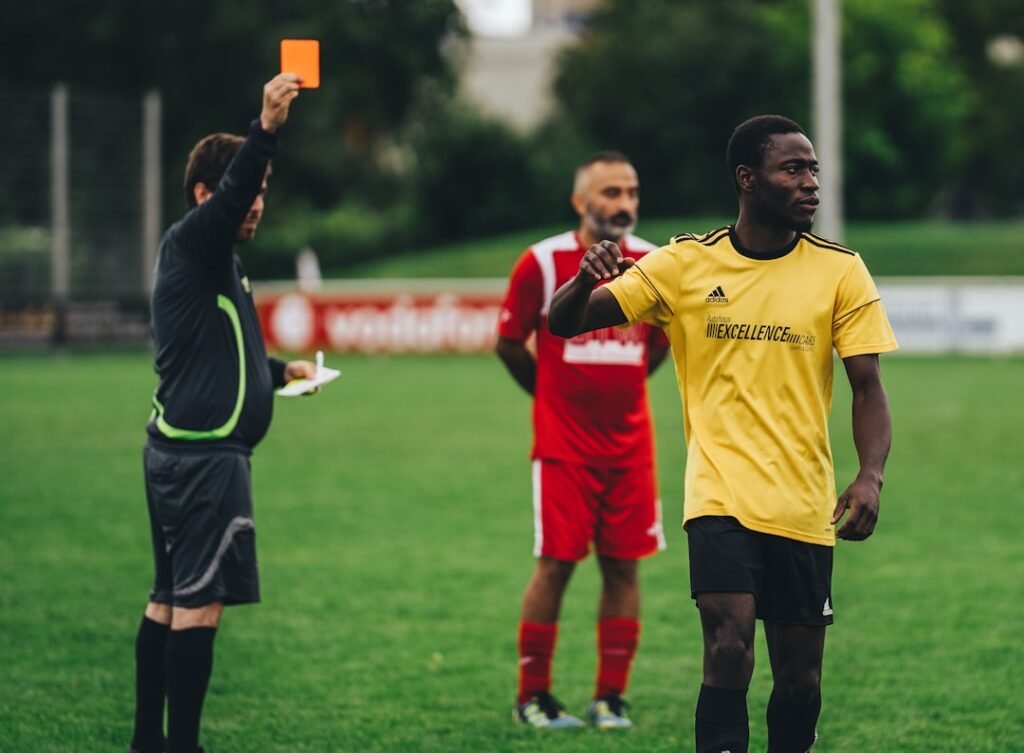

If you’ve ever sat through a football match only to have a goal celebration cut short by a lengthy VAR review over the most microscopic of decisions, you’re not alone — and it seems the people in charge of refereeing across Europe have finally had enough too.
European refereeing officials have come out swinging with a refreshingly straightforward new stance on how Video Assistant Referees should actually be used. The message? Keep it simple. VAR should only step in when a decision made on the pitch is so obviously wrong that it cannot be allowed to stand — or when a major incident has been completely missed by the on-field officials.
This is a pretty significant shift in tone from the top, and honestly, it’s one that fans across the continent have been desperate to hear for years. Since VAR was introduced into elite football, it has been both celebrated and criticized in equal measure. While it has undoubtedly corrected some genuine howlers, it has also turned the beautiful game into something resembling a courtroom drama, with players, managers, and supporters left frozen in uncertainty while officials scrutinize footage frame by frame.
The core issue has always been one of interpretation. What counts as a foul? How much of a handball is intentional? Is that attacker’s armpit offside? These are questions that, when subjected to endless slow-motion replays, can twist any decision into something debatable. The new guidance essentially says: stop overcomplicating it. If the original call was reasonable, leave it alone.
For fans, this could mean fewer interruptions to the flow of the game and a return to something that actually feels like football rather than a technology demonstration. The beautiful game thrives on momentum, emotion, and spontaneity — three things that a five-minute VAR delay absolutely destroys.
Of course, the devil will be in the details. Who decides what counts as “blatantly incorrect”? There will always be disagreements, and no set of guidelines can eliminate controversy entirely. But the direction of travel here feels right. Technology should serve the sport, not dominate it.
Whether referees at the highest level will actually apply this philosophy consistently remains to be seen. But for now, football fans everywhere can allow themselves a cautious, optimistic cheer — just don’t celebrate too early. VAR might still be watching.