

























Something interesting is happening on Wall Street right now, and if you’ve been watching your portfolio, you may have already felt the ripple effects. Investors are quietly — but decisively — stepping away from the artificial intelligence and semiconductor trade that dominated headlines for the better part of two years. The question everyone’s asking: where is all that money going?
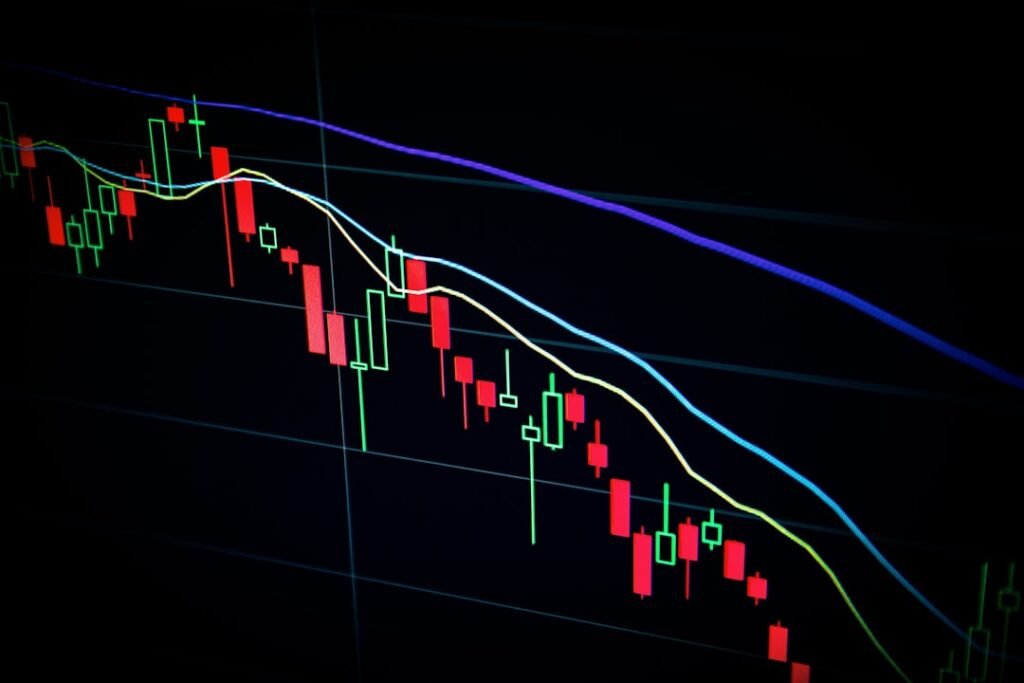
Tuesday’s trading session told a pretty revealing story. The Dow Jones Industrial Average kicked off the day in positive territory, climbing steadily as broader market sentiment remained cautiously optimistic. But not everyone got to enjoy the ride. Micron Technology, one of the darlings of the chip stock boom, took a notable hit as sellers came out in force. It wasn’t alone — the entire semiconductor space felt the pressure as traders rotated their dollars elsewhere.
The Nasdaq, heavily weighted toward tech, slipped while the S&P 500 and Dow managed to stay afloat. That kind of split-screen action is a classic sign of sector rotation — a phenomenon where institutional investors rebalance their portfolios by cashing out of overheated areas and plowing funds into sectors they believe offer better value or stability.
So what’s drawing investors away from AI-related chip plays? A few things are at work here. For starters, valuations in the semiconductor space had stretched to levels that made even the most optimistic bulls a little nervous. Add to that the anticipation of major tech earnings reports — investors tend to get fidgety before big numbers drop, locking in gains rather than riding the volatility wave.
There’s also the oil price factor quietly supporting the broader market mood. Falling crude prices are generally good news for consumers and businesses alike, acting like a small economic stimulus that helps offset weakness in other areas. That tailwind gave the Dow and S&P 500 enough of a boost to stay positive even as tech struggled.
The bigger picture here is that the AI trade, while far from dead, is entering a more mature and selective phase. Investors are no longer throwing money at anything with a chip inside. They’re getting pickier, demanding real earnings and real growth to justify premium prices.
If you’re an everyday investor, the lesson might be simple: diversification isn’t just a buzzword right now — it’s the strategy that’s actually working.