


















If you’ve ever felt a sudden lump in your throat during a movie scene — even one that didn’t seem all that dramatic on paper — there’s a good chance a cello was quietly doing the heavy lifting in the background. This deeply resonant instrument has become one of cinema’s most powerful emotional tools, and musicians, composers, and film critics are finally giving it the recognition it deserves.
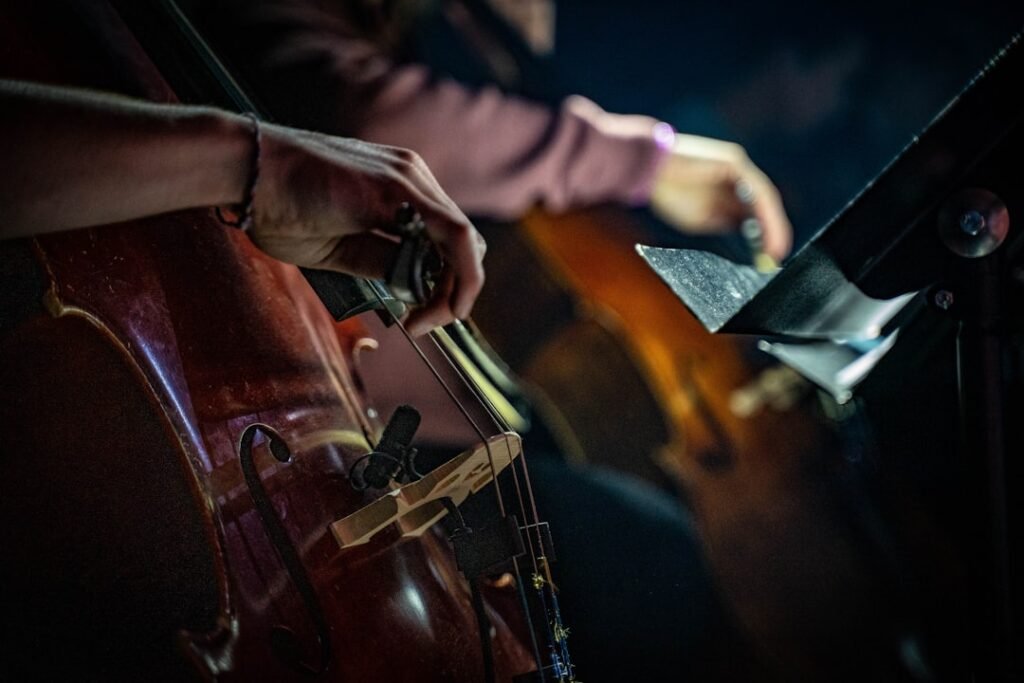
Often described as the instrument that comes closest to mimicking the human voice, the cello occupies a unique sonic space. It’s not as piercing as a violin, not as rumbling as a double bass — it lives right in that warm, bittersweet middle ground where human emotion tends to feel most raw. That’s precisely why film composers keep reaching for it when they need to break hearts, build tension, or stir something deep and unnamed in an audience.
Think about some of the most iconic film scores of the past few decades. From the haunting themes of psychological thrillers to the sweeping romantic dramas that leave you staring at the ceiling at 2 a.m., the cello is almost always present, threading through the music like a trusted narrator who knows exactly how you’re feeling before you do.
Some music critics and composers have started comparing the cello’s versatility to that of a truly great actor — someone who can disappear into any role and make it feel completely authentic. It can whisper with aching tenderness in one scene and then surge with almost violent intensity in the next. That kind of dynamic range is genuinely rare, even among orchestral instruments.
What makes the cello especially fascinating in a cinematic context is how invisible it often is to casual viewers. Most people leave a movie talking about the story, the performances, or the visuals — rarely pausing to think about why they felt so gutted during that one quiet scene. The answer, more often than not, involves four strings and a bow.
As film scoring continues to evolve and audiences become more attuned to the craft behind their favorite movies, the cello is finally stepping into the spotlight it has always deserved. Next time a scene moves you unexpectedly, close your eyes for a moment and listen. Chances are, you’ll hear it there — low, rich, and undeniably alive.
