























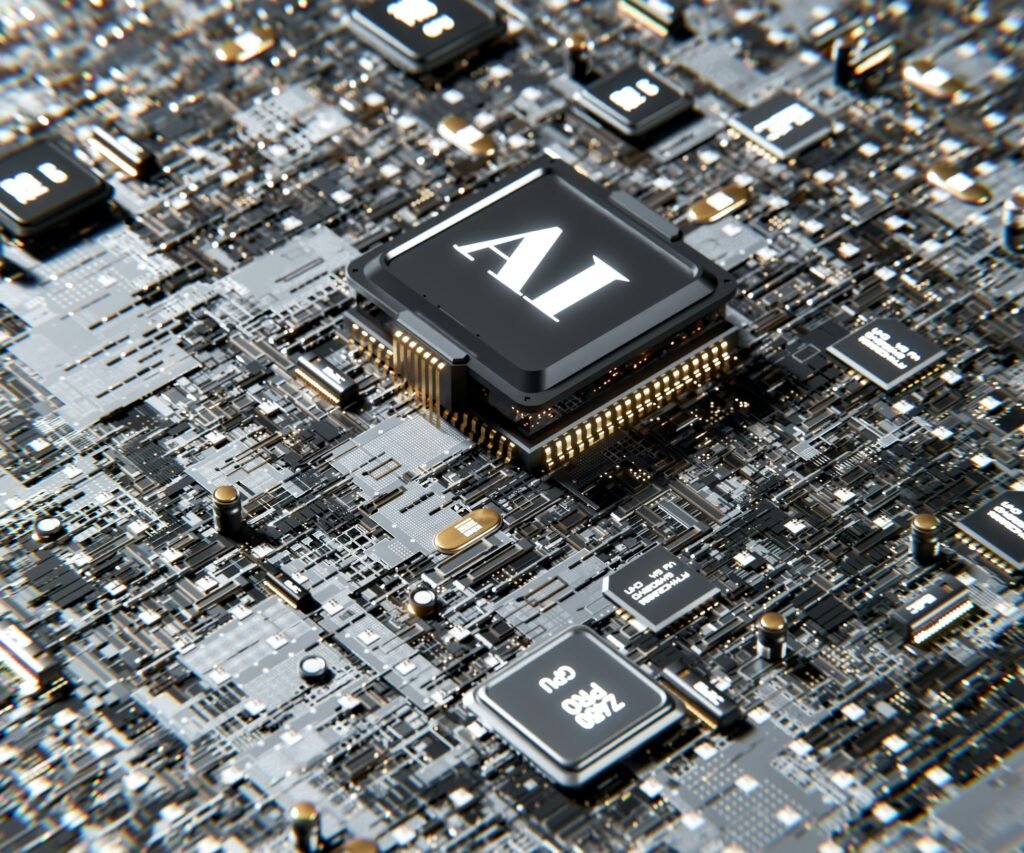
It looks like the shine is starting to come off the artificial intelligence gold rush — at least for now. Semiconductor stocks, which had been riding a massive wave of enthusiasm for all things AI, are taking a brutal beating in markets across the globe. Investors who once couldn’t get enough of chipmakers are now racing for the door, and the sell-off is getting uglier by the day.
South Korea’s SK Hynix, one of the world’s leading memory chip producers, saw its shares nosedive by a staggering 13% on the Seoul stock exchange. That’s not a small dip — that’s a gut punch. And it isn’t alone. Chip companies across Asia and beyond are feeling the heat as a wave of panic selling sweeps through the sector that many believed was bulletproof thanks to the AI boom.
So what’s behind this sudden change of heart? A big part of the story is fear — specifically, fear of China. Reports of intensifying competition from Chinese tech firms are rattling investors who had assumed Western and South Korean chipmakers would dominate the AI supply chain for years to come. If Chinese competitors can close the gap faster than expected, the sky-high valuations that chipmakers have been enjoying suddenly look a lot harder to justify.
Beyond the China angle, there’s also a broader sense that markets may have gotten way ahead of themselves. The AI frenzy pushed chip stock valuations to eye-watering levels, and when sentiment shifts, those lofty prices have a long way to fall. What goes up on hype can come down just as fast when reality starts to set in.
The ripple effects are being felt everywhere. Asian markets broadly slid on the news, and oil prices extended their own decline, painting a gloomy picture of global investor confidence. It’s the kind of market mood that makes even seasoned traders nervous.
Does this mean the AI revolution is over? Almost certainly not. The underlying demand for advanced chips and AI infrastructure remains very real. But moments like this serve as a reminder that even the hottest trends go through painful corrections. For investors, the question now is whether this is a temporary shakeout — or the beginning of something more serious. Either way, buckle up.