























There’s an old saying on Wall Street: the market has a wicked sense of humor. And nothing proves that point quite like the spectacular stumble of a hedge fund called Situational Awareness — a name that, in hindsight, couldn’t have been more tragically ironic.
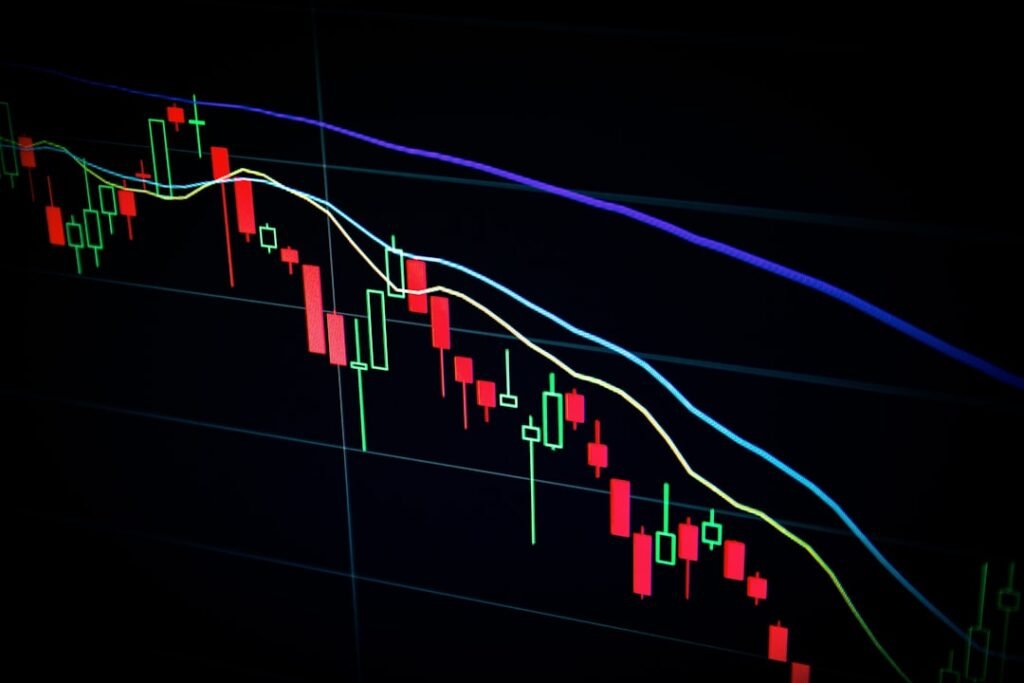
Founded by a 24-year-old former OpenAI employee, Situational Awareness was built around one core thesis: artificial intelligence is the future, and betting big on it would pay off enormously. For a while, that kind of confidence felt justified. The AI hype wave was cresting, valuations were soaring, and anyone with a foot in the door seemed poised to win. Fast forward to now, and the fund has reportedly offloaded most — if not all — of its public stock holdings to investment giant Citadel, helmed by billionaire Ken Griffin, following steep losses tied to a brutal AI stock selloff.
Let that sink in. A fund literally named after the ability to read and respond to your environment correctly… failed to read the environment correctly. You genuinely cannot write this stuff.
Of course, this isn’t just a story about a funny name meeting a bad outcome. It speaks to something much bigger brewing in the world of AI investing. For years, the narrative around artificial intelligence has been one of unstoppable momentum. Trillion-dollar valuations, breathless headlines, and a chorus of tech evangelists convinced the world that AI would reshape every corner of the economy overnight. Investors poured money in, often without pausing to ask the harder questions about timelines, profitability, or whether the hype matched the underlying reality.
When sentiment shifts in a market built on vibes as much as fundamentals, the correction can be brutal and swift. That appears to be exactly what caught Situational Awareness — and likely many others — off guard.
There’s also a broader lesson here about the cult of personality in tech investing. A 24-year-old with impressive credentials and bold ideas can absolutely build something remarkable. But bold ideas still need to survive contact with market forces, and confidence is not a substitute for a diversified risk strategy.
Whether AI investing ultimately vindicated over the long haul remains a genuinely open question. But in the short term, at least one fund learned that naming yourself after foresight doesn’t actually give you any. Sometimes the market just laughs — and then it takes your portfolio.