






















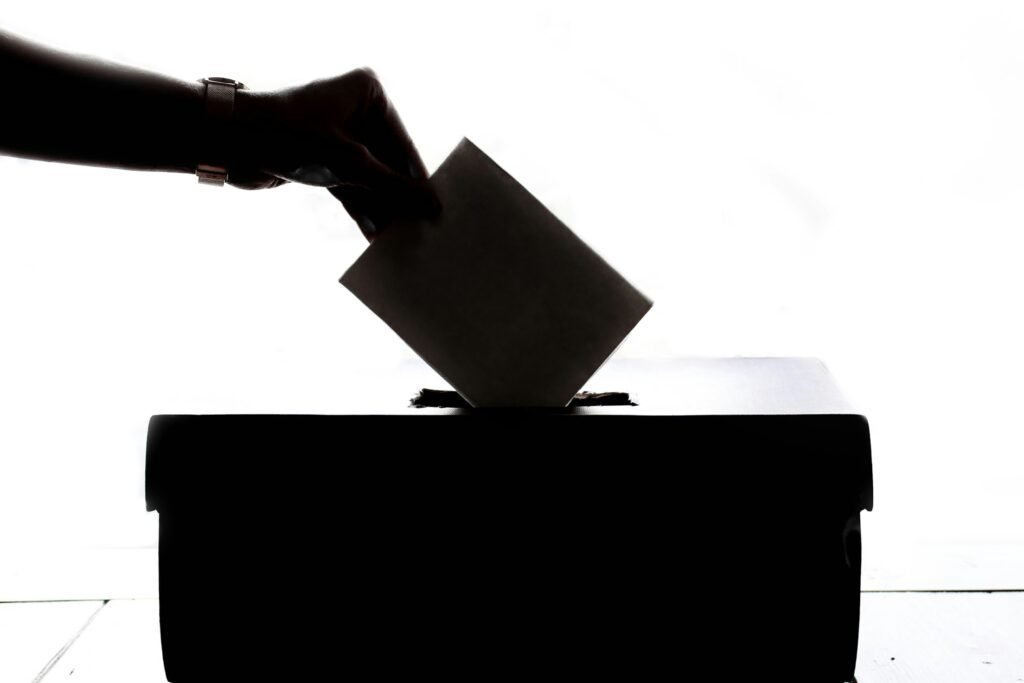
The fight over how Americans cast their votes is heating up once again, and this time it’s headed straight to the highest court in the land. The Trump administration has formally asked the Supreme Court to step in and greenlight a new executive order that would place significant restrictions on mail-in voting — and they want it done before the midterm elections roll around.
Mail-in voting has been a flashpoint in American politics for years, but this latest move takes the debate to an entirely new level. The administration’s push to the Supreme Court signals just how urgently Trump and his allies want these changes locked in before voters head to the polls. The Department of Justice has been front and center in this effort, arguing that the executive order should be permitted to take effect while legal challenges continue to work their way through the lower courts.
So what exactly does this order target? The proposed restrictions would tighten the rules around who can request and submit mail ballots, a method of voting that surged in popularity during the COVID-19 pandemic and has remained widely used ever since. Supporters of the order argue it’s all about election integrity, claiming that mail-in ballots are more vulnerable to fraud and mishandling than in-person votes. Critics, however, see things very differently — they warn that these restrictions could disenfranchise millions of voters, particularly elderly citizens, people with disabilities, and those living in rural areas who rely heavily on mail voting as their most practical option.
The timing of this Supreme Court appeal is no accident. With midterm elections on the horizon, both political parties are keenly aware that voting rules can have a massive impact on turnout and outcomes. Democrats have largely championed expanded mail-in voting access, while Republicans have pushed for tighter controls, framing the debate as a matter of securing the electoral process.
Legal experts are watching this case closely, noting that a Supreme Court ruling — even a temporary one — could reshape voting access across the country in a very short window of time. The stakes couldn’t be higher, and the decision is likely to ripple far beyond any single election cycle.
As this story develops, one thing is certain: the battle over mail-in voting is far from over, and every American with a stake in free and fair elections should be paying close attention.