
























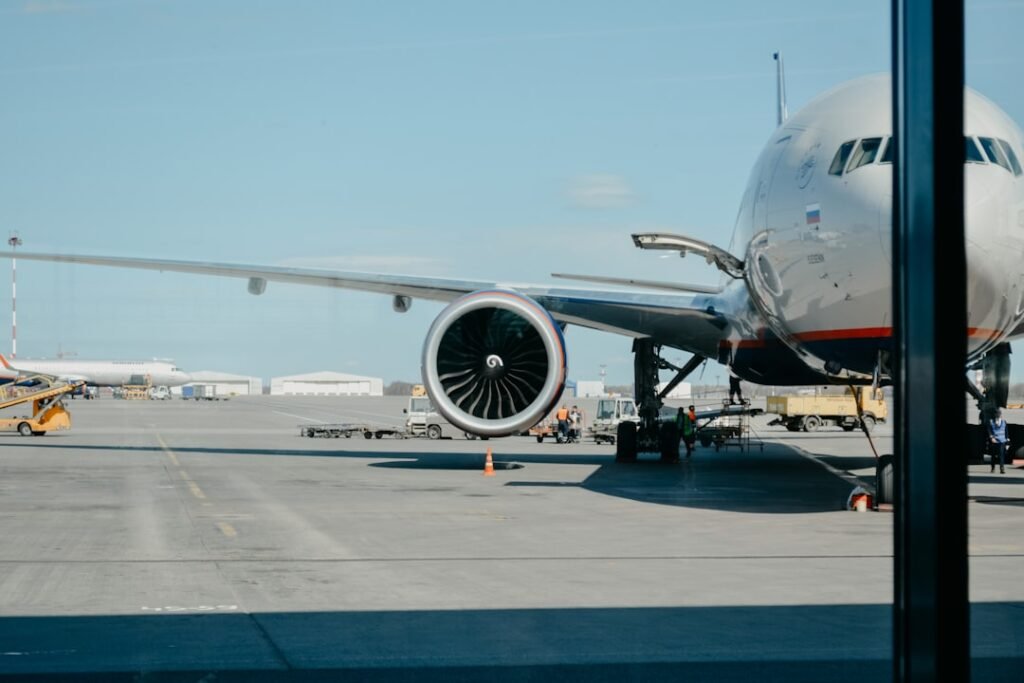

It’s been another rough quarter for Boeing, and Wall Street is taking notice. The aerospace giant recently reported a second-quarter loss that blew past what analysts had anticipated, and a big chunk of the blame falls squarely on the shoulders of one very high-profile government contract — the next-generation Air Force One presidential aircraft.
Boeing has been struggling with cost overruns on the Air Force One program for years, but the latest financial results show the pain isn’t over yet. Fresh charges tied to the contract dragged down the company’s overall performance, leaving investors and industry watchers wondering just how deep the financial wounds really go. When you’re building the flying equivalent of the Oval Office, the margins for error — and the price tags for mistakes — are enormous.
Despite the gloomy headline numbers, there was at least one silver lining tucked inside the quarterly report. Boeing managed to beat expectations when it came to cash flow, which analysts consider a critical indicator of the company’s underlying operational health. Cash flow performance suggests that Boeing’s core commercial airplane business is still generating momentum, even as certain contracts continue to bleed money.
The company’s massive order backlog, reportedly sitting at around $695 billion, tells an interesting story too. Demand for Boeing aircraft isn’t the problem — it’s the execution side of the equation that keeps causing headaches. From supply chain disruptions to manufacturing slowdowns and costly fixed-price government contracts, Boeing has had to navigate a perfect storm of challenges over the past several years.
Analysts remain cautiously optimistic about Boeing’s long-term trajectory, with some projecting meaningful upside in the stock price over the coming year. The thinking goes that once the company works through its most problematic contracts and stabilizes its production lines, the sheer volume of orders in its pipeline could fuel a significant recovery.
For now, though, Boeing is in the uncomfortable position of explaining bigger-than-expected losses to shareholders while reassuring them that better days are ahead. It’s a balancing act the company has been performing for a while — and one that will require continued discipline, transparency, and operational improvement to stick the landing. The world is watching, and so is the White House.