
























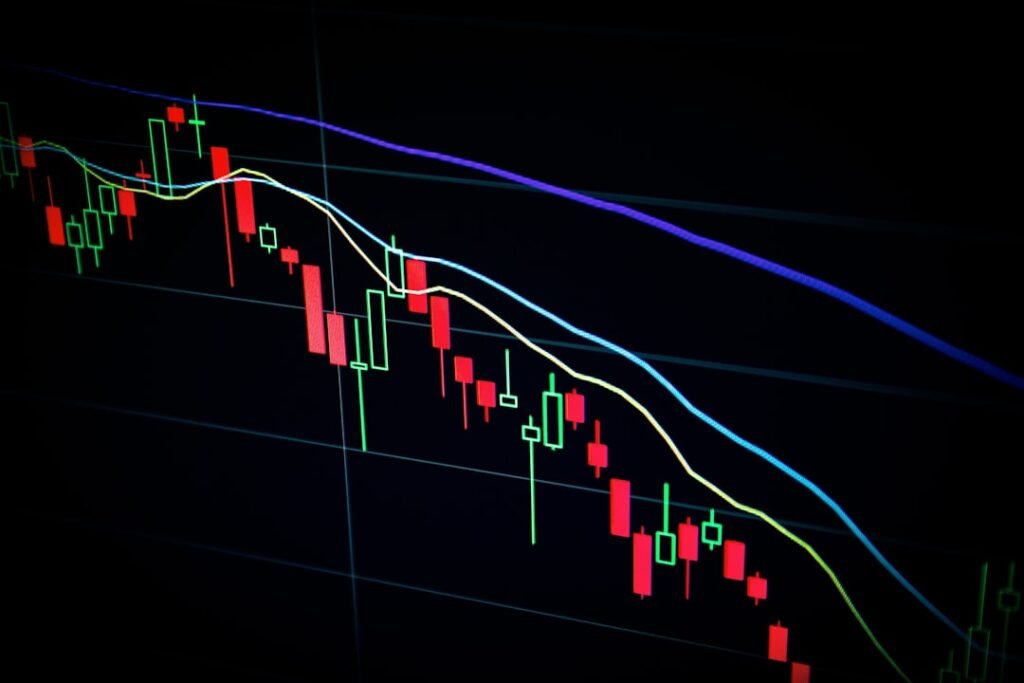

If you checked your investment portfolio this morning and felt your stomach drop, you’re not alone. A sweeping selloff in semiconductor stocks is sending shockwaves across global markets, with Nasdaq futures sliding and investors growing increasingly nervous about what comes next for the tech sector.
The chaos started in Asia, where South Korea’s Kospi index took a brutal hit — plunging nearly 11% in a single session. That kind of single-day decline is extraordinary by any measure, and it was largely driven by heavy selling pressure on chipmakers. When one of the world’s most tech-heavy regional markets falls that hard, it’s almost impossible for Wall Street to shrug it off.
So what’s actually driving all of this? Two major concerns are spooking investors right now. First, there are growing questions about whether the massive wave of spending on artificial intelligence infrastructure is actually sustainable. Companies have been pouring billions into AI development, and some analysts are starting to wonder if the returns will justify those eye-watering price tags. When doubt creeps into a high-flying sector, the selloff can be fast and fierce.
Second, China’s growing competitiveness in the chip space is raising red flags. As Chinese semiconductor companies continue to develop their own capabilities, the long-term dominance of established Western and Asian chipmakers is being called into question. That uncertainty is making investors nervous, and nervous investors sell.
Adding another layer to the market jitters, oil prices are also retreating, which can signal broader concerns about global economic momentum. When both tech stocks and commodities pull back simultaneously, it often reflects a wider anxiety about where the economy is headed.
For everyday investors, moments like this can feel panic-inducing — but context matters. Market corrections, even sharp ones, are a normal part of the financial cycle. The semiconductor industry remains a foundational pillar of the modern economy, and short-term volatility doesn’t necessarily predict long-term direction.
That said, the AI spending bubble conversation is one worth watching closely. If institutional investors start pulling back from tech in a meaningful way, the ripple effects could be felt for weeks. Keep an eye on earnings reports from major chipmakers in the coming days — they’ll likely be the clearest signal of whether this dip is a blip or the beginning of a bigger correction.