






















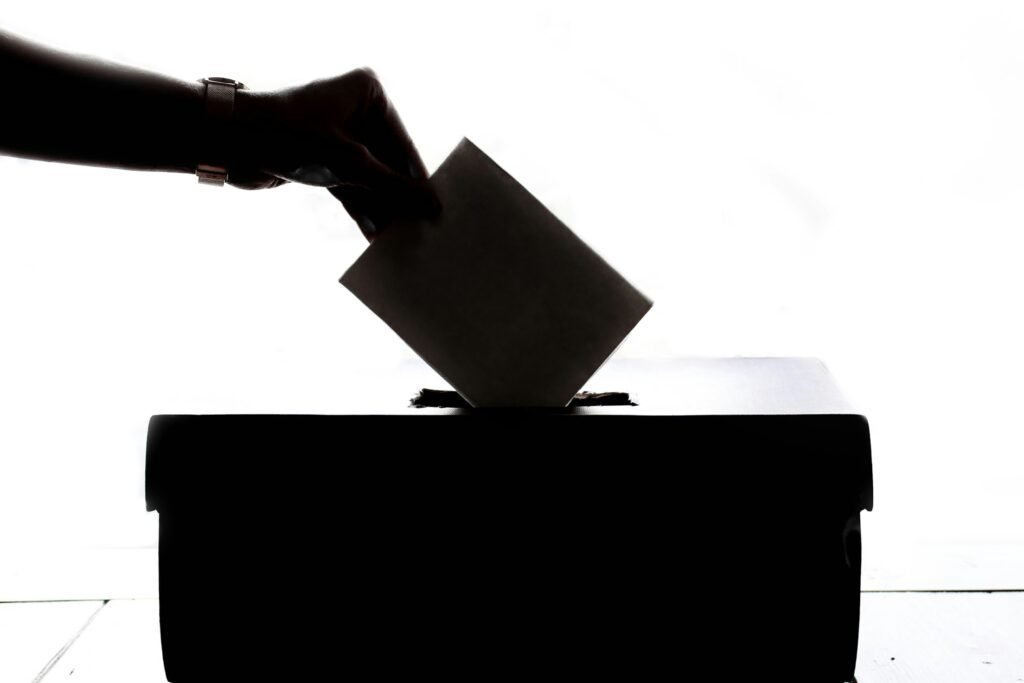
The battle over how Americans cast their ballots is heating up once again, and this time it’s headed straight to the highest court in the land. The Trump administration has formally asked the Supreme Court to step in and greenlight a controversial executive order that would place new restrictions on mail-in voting — and officials want action before the midterm elections roll around.
At the heart of the dispute is an executive order that critics say could dramatically limit the ability of millions of voters to cast ballots by mail. Lower courts had already put a pause on the order, with judges ruling that it overstepped legal boundaries. But the administration isn’t backing down, pushing the case all the way up the judicial ladder in hopes that the Supreme Court will see things differently.
Mail-in voting has become one of the most politically charged topics in recent American electoral history. Supporters argue it’s a lifeline for elderly voters, people with disabilities, military personnel stationed overseas, and anyone who simply can’t make it to a polling place on Election Day. Opponents, including many in the current administration, claim it opens the door to fraud and undermines election integrity — though repeated studies and audits have found little evidence of widespread abuse.
Adding another layer to this story, a federal appeals court also recently upheld an injunction blocking a separate Trump administration effort to build a federal voter registration list. That ruling is being seen as a significant legal setback for the administration’s broader push to overhaul how voter data is collected and managed across the country.
With midterms on the horizon, the timing of this Supreme Court request is anything but coincidental. Election rules, deadlines, and voting procedures take time to implement — meaning that any changes would need court approval sooner rather than later to actually take effect before voters head to the polls.
Legal experts are closely watching how the Supreme Court responds, noting that the justices’ decision on whether to even take up the emergency request could signal how they view executive authority over election administration. For everyday voters, the outcome could determine something very simple but very important: whether they have the option to vote from home.
Stay tuned — this one is far from over.